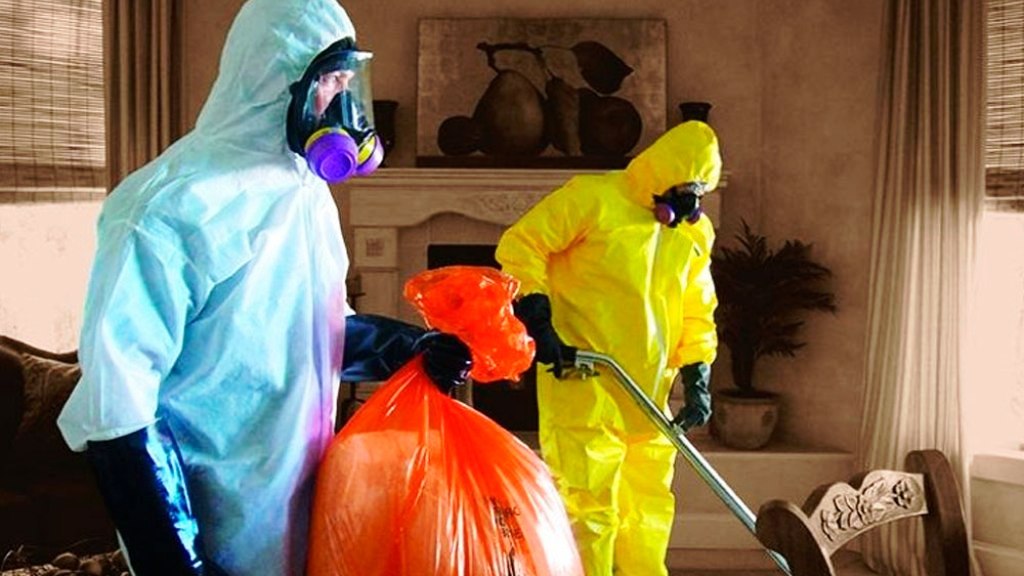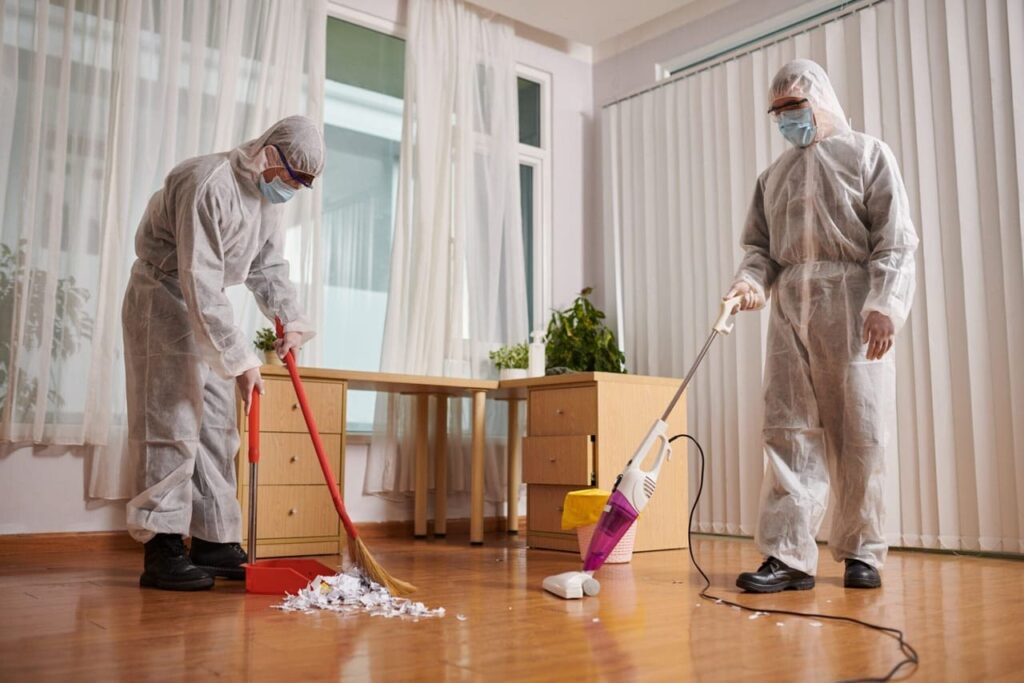
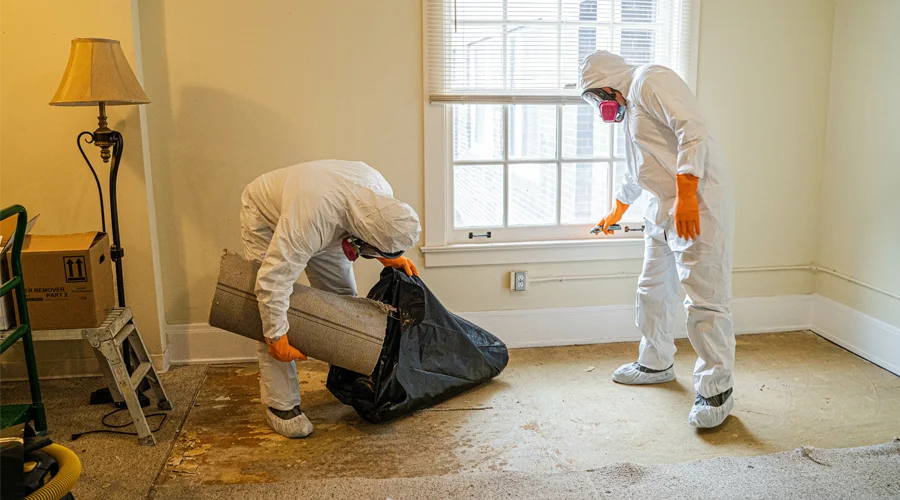
If you’ve just been through a traumatic event at your property, the last thing you want is to be blindsided by the cost of cleanup. Crime scene cleanup — also called biohazard remediation or trauma cleanup — is a highly specialised service, and the pricing reflects that. This guide breaks down exactly what you can expect to pay in 2026, what drives the cost up or down, and — critically — how to avoid paying much of it out of pocket.
What Does Crime Scene Cleanup Actually Cost?
Professional biohazard remediation typically ranges from $1,500 to $5,000 for straightforward residential incidents, but complex cases involving extensive contamination, structural damage, or hazardous material disposal can reach $25,000 or more.
That’s a wide range, and it’s intentional — no two scenes are the same. A minor trauma situation in a single room is a very different job from a decomposition case that has penetrated the flooring and wall cavities over several weeks.
Here’s a practical breakdown by scenario:
| Situation | Typical Cost Range |
|---|---|
| Minor blood/fluid spill | $300 – $1,500 |
| Crime scene (assault, homicide) | $1,500 – $5,000 |
| Suicide cleanup | $2,000 – $8,000 |
| Unattended death (short duration) | $3,000 – $8,000 |
| Unattended death (extended decomposition) | $8,000 – $25,000+ |
| Hoarding with biohazards | $2,500 – $15,000 |
| Infectious disease disinfection | $1,500 – $3,500 |
The national average for biohazard remediation sits at around $4,000, with a typical range of $3,000 to $5,000 for residential jobs.
What Factors Drive the Cost Up?
Understanding what affects pricing helps you ask the right questions when getting quotes. Here are the main variables:
Size and extent of contamination
The larger the affected area and the deeper the contamination has penetrated, the more work is involved. Blood and biological fluids can seep into hardwood floors, subflooring, drywall, and even structural joists — especially in cases where time has passed since the incident.
How quickly the scene is discovered
Time is one of the biggest cost drivers. Biological material that has been present for days or weeks causes significantly more structural damage than a scene that is addressed within hours. In decomposition situations, the longer the delay, the more porous materials need to be removed and replaced rather than simply cleaned.
Type of contamination
Different biohazards require different protocols and products. Crime scene cleanup companies typically charge $400 to $600 per hour, including cleaning, site disinfection, waste removal and transport, and hazardous material disposal. Decomposition scenes and cases involving infectious pathogens require more intensive protocols and, therefore, cost more per hour than straightforward trauma cleanup.
Structural material removal
When contamination penetrates porous materials — carpet, drywall, insulation, mattresses, wooden subfloor — those materials cannot simply be cleaned. They have to be removed, bagged as biohazardous waste, and disposed of under EPA and DOT regulations. This is a significant cost component in many jobs.
Odour treatment
Professional odour elimination using industrial ozone generators and hydroxyl machines is a separate process from physical decontamination. It’s essential — particularly in decomposition cases — and adds to the overall cost.
Location
Labour and disposal costs vary by state and region. Jobs in major metropolitan areas typically cost more than in rural locations due to higher overheads and disposal facility fees.
Why You Should Never Attempt It Yourself
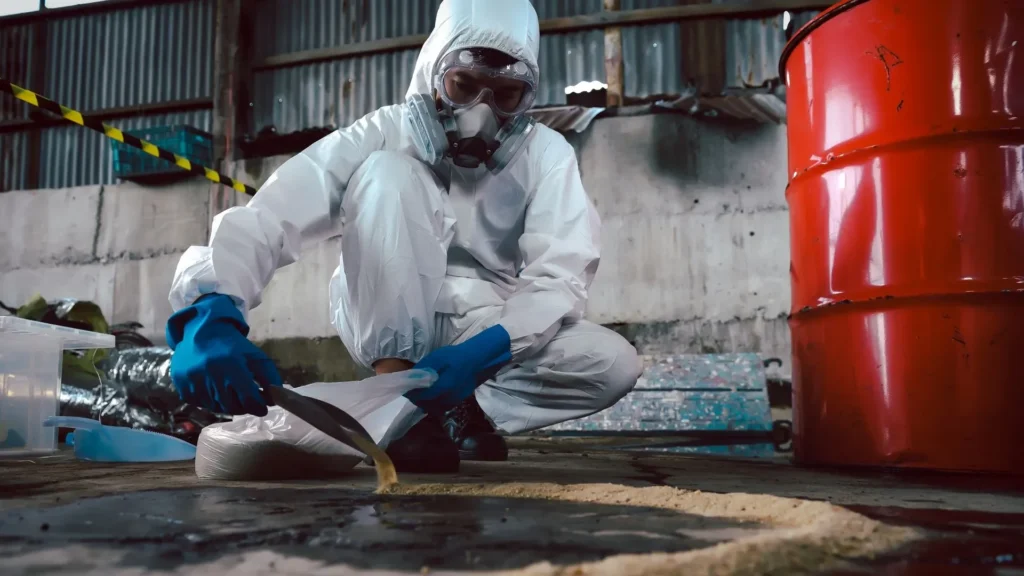
This is worth stating clearly. Attempting to clean a crime scene or biohazard situation yourself carries serious health and legal risks.
Blood and bodily fluids are classified as biohazardous materials under OSHA’s Bloodborne Pathogens Standard. Pathogens including HIV, Hepatitis B, and Hepatitis C, can survive outside the body for days. Without proper PPE, training, and hospital-grade disinfectants, exposure risk is significant.
Beyond health, there are legal considerations. Biohazardous waste must be packaged, transported, and disposed of under strict federal and state regulations. Improper disposal can result in significant fines. Only certified professionals are equipped to handle this legally and safely.
Does Insurance Cover Crime Scene Cleanup?
For most people, this is the most important question — and the answer is often yes.
Most homeowners’ insurance policies include coverage for crime scenes, accidents, and traumatic events. If the biohazard happened because of a sudden, unexpected event — called a “covered peril” — your insurance will likely help pay for cleanup.
In most cases, you’ll pay your deductible — typically $500 to $2,500 — and insurance covers the rest. On a $10,000 cleanup job, that’s the difference between $500 out of pocket and $10,000.
That said, not every situation is automatically covered. Coverage depends on your policy, the cause of the incident, and specific exclusions or endorsements. A few key points to know:
- Call your insurance adjuster — not your agent. Adjusters are deeply familiar with policy details and can clarify whether biohazard cleanup services are included.
- Document the scene thoroughly with photographs before any cleanup begins
- Use a certified biohazard remediation contractor — insurance companies typically require it for claims to be processed
- Your insurance provider cannot legally steer you toward a specific remediation company — you have the right to choose your own ServiceMaster BioClean
Some policies exclude specific situations, such as incidents involving intentional acts by the homeowner. If coverage is denied, you have the right to appeal and can hire a public adjuster to negotiate on your behalf.
How to Get an Accurate Quote
Because pricing varies so widely, the only way to get an accurate figure is to have a certified specialist assess the scene in person. Reputable companies will provide a free on-site assessment and a line-item written quote before any work begins.
When comparing quotes, make sure each one includes:
- Labour hours and crew size
- Biohazardous waste disposal fees (often quoted separately)
- Any structural material removal and disposal
- Odour treatment
- Post-clean inspection and documentation
Be cautious of unusually low quotes — they often exclude disposal fees, which can add thousands to the final invoice.
What to Do Right Now
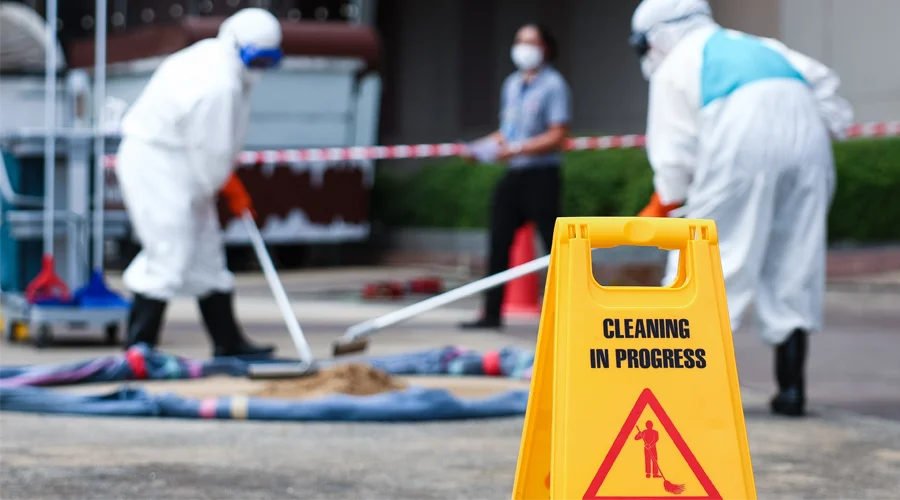
If you’re dealing with a crime scene or biohazard situation at your property right now, here’s the priority order:
- Contact your homeowners’ insurance company and report the incident
- Document the scene with photographs before anything is touched
- Get matched with a certified local specialist who can assess the scene and provide a quote
- Let your contractor handle insurance communication — experienced remediation companies do this every day
The most important thing is to act quickly. Every hour that passes can increase both the contamination depth and the overall cost of remediation.
If you need a verified, IICRC-certified specialist in your area, submit a request here and we’ll match you within minutes — 24/7, all 50 states.