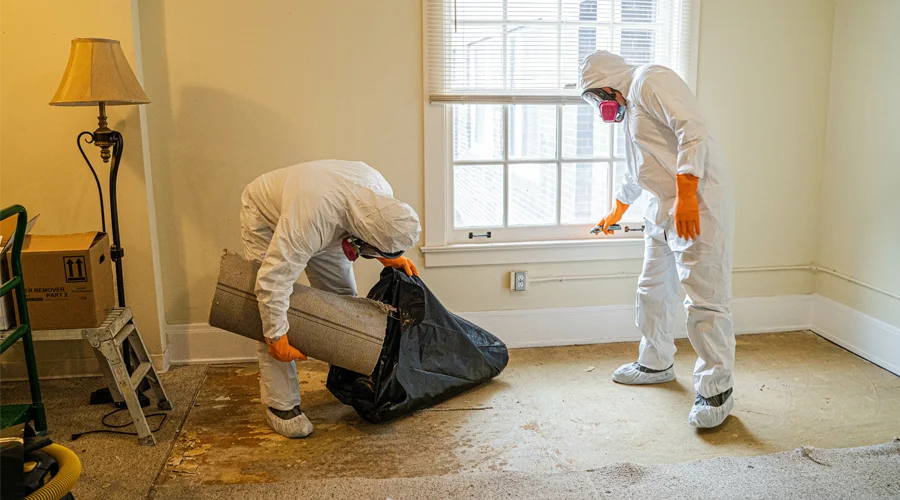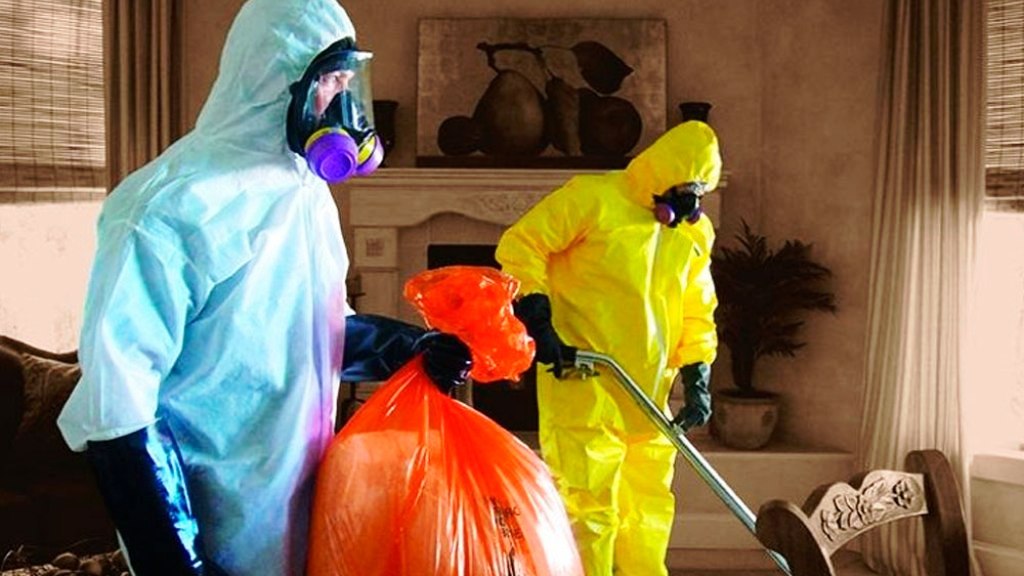
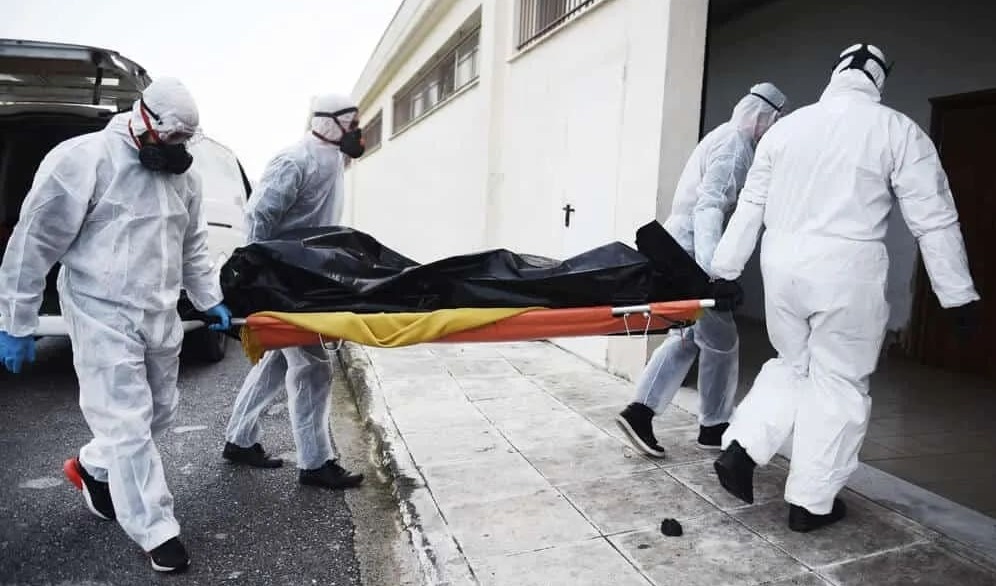
One of the first practical questions families and property managers ask after an unattended death is discovered — once the initial shock starts to settle — is some version of: how long is this going to take? And it’s a reasonable thing to want to know. People need to understand what they’re looking at before they can plan for the property, arrange accommodations, and give waiting family members any kind of answer.
The honest response is that the unattended death cleanup timeline depends on several overlapping variables — the size of the affected space, how long the body went undiscovered, how far contamination has traveled structurally, and whether insurance review delays the start of remediation. This guide walks through each scenario with realistic timeframes, explains the hidden structural and biological factors that extend timelines beyond what most people expect, and flags the exploitation patterns that specifically target families in this vulnerable moment.
The Law Enforcement Phase: Understanding Coroners and Scene Release
No professional biohazard cleanup company can legally begin work until law enforcement has formally released the scene. Police, detectives, and the medical examiner need uninterrupted access to collect evidence, document findings, and determine cause of death. In routine situations — a natural death with no suspicious circumstances — that release can come within several hours. In more complex situations involving investigation, it may take 24 to 72 hours, sometimes longer.
Once the scene is released, the decomposition cleanup timeline begins. Every additional hour the contamination sits unaddressed adds to the eventual scope and cost of remediation — a dynamic that becomes especially significant once insect activity or capillary fluid migration is involved. Companies like Bio Recovery Pro emphasize responding within hours of scene release, not days, precisely because the structural consequences of delay aren’t linear — they accelerate.
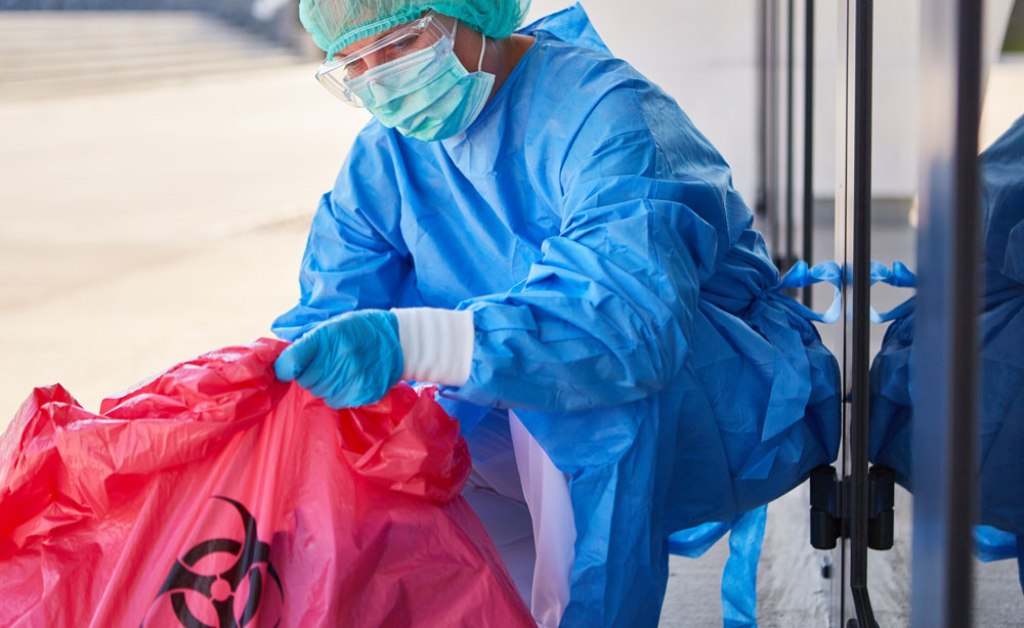
Immediate Property Preservation Protocol (Post-Scene Release)
While waiting for your remediation team to arrive on-site, these containment steps help prevent the cleanup scope from expanding before work begins:
- Isolate the HVAC system immediately. Turn off central heating or air conditioning. Leaving the system running pulls airborne decomposition particulates directly into the ductwork, turning a single-room cleanup into a whole-building remediation project.
- Do not open windows if discovery is past 48 hours. Introducing fresh airflow can attract outside blowflies, accelerating insect nesting cycles within walls and worsening a secondary pest situation.
- Restrict all building access to certified technicians only. Walking across the property tracks invisible biological matter onto unaffected flooring, expanding the clean zone and driving up costs.
- Photograph the exterior and unaffected areas now. Establishing a visual baseline before structural tear-out begins protects your insurance claim from “was this pre-existing?” disputes later.
Unattended Death Cleanup: Realistic Timelines by Scenario
No two scenes are identical, but the following breakdowns reflect what experienced crews consistently encounter across the most common scenarios.
Small Space, Discovered Within 24–72 Hours
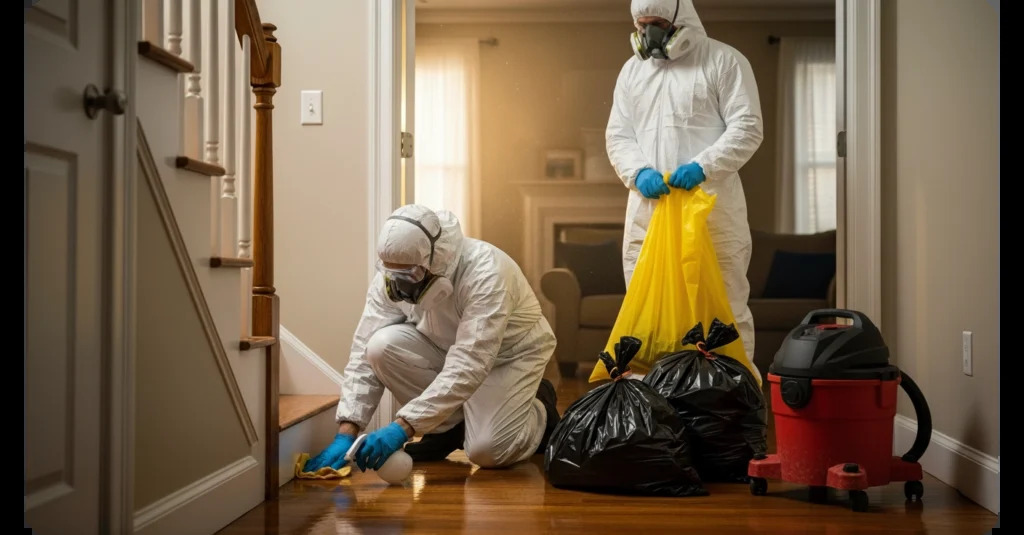
When a body is discovered within a day or two of death, biological material has had limited time to migrate into porous materials. Contamination tends to be contained to the immediate area — a single room, a chair, a section of flooring — with minimal structural spread. A professional trauma cleanup crew can typically complete the full process in one to two days, including initial ATP testing, material removal, surface decontamination with EPA-registered disinfectants, odor treatment, and air quality verification before issuing a clearance certificate.
Single Room, One to Two Weeks Undiscovered
The picture changes significantly at this stage. Decomposition fluids have had time to wick downward into subflooring and outward into wall framing. A room may show minimal surface contamination while harboring significant saturation in materials that need to be physically removed. A professional crew typically spends two to four days on a single-room scene at this stage, with a meaningful portion of that time on structural material removal rather than the cleaning phase itself.
Multi-Room Contamination or Shared HVAC Systems
When decomposition gases and bioaerosols have circulated through an active HVAC system, or when fluid migration has crossed multiple areas, a complete building assessment is required before remediation can be scoped accurately. The decomposition cleanup timeline for multi-room jobs typically runs three to seven days, with HVAC decontamination — duct cleaning, air handler treatment, filter replacement — adding time that families and property managers rarely anticipate.
Advanced Decomposition: Two Weeks or More
Jobs at this stage routinely take five to ten days or more. Structural materials including subflooring, baseboards, wall sections, and in some cases ceiling materials may all be saturated. Property owners should also plan for structural restoration work — replacement flooring, drywall repair, repainting — to follow after biohazard remediation is certified complete. These two phases must be sequential: restoration begins only after a certified clean environment has been confirmed.
Hidden Factors That Extend the Remediation Timeline
The scenarios above assume straightforward contamination. In practice, two structural and biological factors frequently push actual timelines beyond the estimates — and neither is obvious from a visual walkthrough.
1. Capillary Action and Biological Fluid Subfloor Penetration
Biological fluids don’t simply pool at the source and stay there. Through capillary action, they actively travel sideways under baseboards, migrate along tongue-and-groove hardwood joints, and travel downward via porous nail shafts into subfloor layers below. This movement happens invisibly — a scene that looks contained at the surface level can have significant contamination extending two to three feet beyond the visible stain line in every direction.
This is why professional remediation requires technicians to strip and test materials in a perimeter extending well past the visible evidence, using moisture meters and ATP swabs rather than visual inspection alone. A crew that removes only what’s visibly stained leaves behind saturation that will off-gas as odor for months — and the answer to how to remove human decomposition odor from subflooring almost always begins with removing the subflooring itself, not treating it in place.
2. Insect Migration: Managing Secondary Pest Lifecycles in Drywall
In any scene where a body has gone undiscovered for more than 72 hours, blowfly activity becomes a secondary contamination factor that’s easy to underestimate and difficult to address after the fact.
Blowfly larvae, having fed at the source, migrate away from the body to pupate — burrowing behind baseboards, deep into carpet padding, and into electrical outlets and drywall gaps well outside the primary scene area. When these pupae develop into adult flies two to four weeks after a cosmetic cleanup, the result is a sudden, secondary infestation that appears to have emerged from nowhere — because the adults emerge from inside the building structure rather than from any visible surface. Addressing this requires specialized treatment of architectural cavities with pyrethrin-based indoor flushing agents during the primary remediation, not as an afterthought. Failure to treat these areas during the original job extends the remediation timeline significantly and often means bringing a crew back after a property is partially restored — a far more disruptive and expensive correction than treating it the first time.
Odor Elimination Science: Hydroxyl Generators vs. Ozone Machines
Odor remediation is consistently the most underestimated phase of the death cleanup process — both in time required and in what’s actually needed to produce a lasting result. The choice between deodorization methods has a direct, measurable impact on the overall remediation timeline for advanced decomposition.
Ozone generators (O₃) work through oxidation, chemically breaking down odor-causing volatile organic compounds rather than masking them. They’re effective and fast-acting — but they require complete structural evacuation because ozone at the concentrations professional generators produce is a respiratory irritant that can damage lung tissue with sufficient exposure. Ozone also degrades natural rubber and some wire insulation over extended treatment periods, which is worth considering in properties with older wiring. Ozone treatment is a sequenced, isolated phase — all other work stops until the space is ventilated and cleared.
Hydroxyl generators (OH) produce hydroxyl radicals, the same reactive molecules the atmosphere generates naturally from sunlight and water vapor. Unlike ozone, hydroxyls are safe in occupied spaces and around electronics and materials, which changes the project math considerably: hydroxyl treatment can run concurrently with structural restoration work rather than requiring the space to be vacated and held. For property owners and managers working against a re-occupancy deadline, this concurrent operation meaningfully shortens the overall project duration. The tradeoff is time per cycle — hydroxyl treatment for severe odor scenarios typically requires five to seven days of continuous operation versus hours for ozone. Experienced crews frequently sequence both: ozone for the initial bulk odor knockdown during the evacuation phase, followed by hydroxyl treatment as the space transitions back toward occupancy.
Landlord and Executor Liability: OSHA 29 CFR 1910.1030 Compliance
This section matters specifically for commercial landlords, property managers, and estate executors who might consider having internal maintenance staff handle an unattended death scene to save time or cost.
Under the OSHA Bloodborne Pathogens Standard (29 CFR 1910.1030), any employer directing workers to handle blood or other potentially infectious materials must provide formal OSHA bloodborne pathogen training, a written exposure control plan, access to hepatitis B vaccination, and appropriate personal protective equipment — before that worker touches a contaminated surface. This isn’t a recommendation — it’s a federal legal requirement, and non-compliance exposes employers to substantial civil penalties, currently up to $16,131 per willful violation as of the most recent OSHA penalty schedule.
The regulatory standard exists because the health risks are real: hepatitis B, hepatitis C, and HIV can all survive in decomposition material on surfaces, and exposing an untrained maintenance worker to those pathogens without the required protections is both a legal violation and a serious ethical failure. OSHA bloodborne pathogen compliance for biohazard cleanup isn’t optional even when the situation feels like it should have a simpler solution — and for landlords and executors, the documentation of that compliance is part of what a certificate of decontamination for property resale demonstrates.
Insurance Coordination: Navigating Claims Without Remediation Delays
The most common cause of unexpected delays in the overall project timeline isn’t the scope of the job — it’s insurance review. Many property owners wait for insurer approval before authorizing remediation to begin, not realizing that habitability laws in many states run on statutory deadlines that don’t pause for claim processing.
Homeowners insurance coverage for unattended death cleanup typically applies under standard HO-3 policies for sudden, accidental contamination tied to a covered event. Coverage specifics vary, but most claims that include complete documentation — police or coroner’s report, before-and-after photos, itemized invoice, and biohazardous waste manifests — move significantly faster than those submitted without it.
Professional remediation companies with established insurer relationships typically begin work immediately upon scene release and handle documentation in parallel. This approach protects property owners from habitability deadline violations and reduces total time from scene release to re-occupancy. Companies that require upfront insurer approval before starting are adding real days to a process where each day of delay has compounding structural consequences.

Scam Patterns That Target Families in This Moment
Families navigating an unattended death are making decisions under acute grief and urgency — which makes them a specific target for exploitation within the cleanup industry.
A widely-cited analysis by trauma researcher Dr. Jan Canty documented recurring patterns including companies that film scenes without consent for social media content, companies that significantly overstate contamination scope to inflate invoices, and companies that pressure clients into signing blank or incomplete work authorizations before scope and pricing have been reviewed.
What to verify before signing anything:
- Request a written, itemized scope of work before any work begins
- Confirm OSHA bloodborne pathogen compliance documentation and ask the company to name the IICRC S540 standard without prompting
- Confirm the contract explicitly prohibits scene photography for any purpose outside insurance documentation
- Check the company’s BBB profile and Google reviews specifically for billing dispute complaints
Realistic Full Timeline Summary
| Scenario | Estimated Timeline |
|---|---|
| Small space, discovered within 72 hours | 1–2 days |
| Single room, 1–2 weeks undiscovered | 2–4 days |
| Multi-room contamination or HVAC spread | 3–7 days |
| Advanced decomposition, 2+ weeks | 5–10+ days |
| Severe odor remediation (sequential) | 2–4 additional days |
| Structural restoration (follows remediation) | 1–3 weeks |
These ranges assume remediation begins promptly after scene release. Every day of delay before the process starts moves the outcome toward the higher end of each range.
Final Thoughts
The question of how long unattended death cleanup takes doesn’t have a single answer — but it has honest ones. The variables that extend timelines are all knowable once a professional assessment has been completed: how far fluids have traveled through capillary action, whether insect activity requires cavity treatment, what deodorization method best fits the re-occupancy timeline, and whether structural material removal is required. What’s not knowable without that assessment is how far contamination has actually spread — which is why the first hours after scene release should be spent getting a certified professional on-site rather than searching for the fastest or cheapest option available.