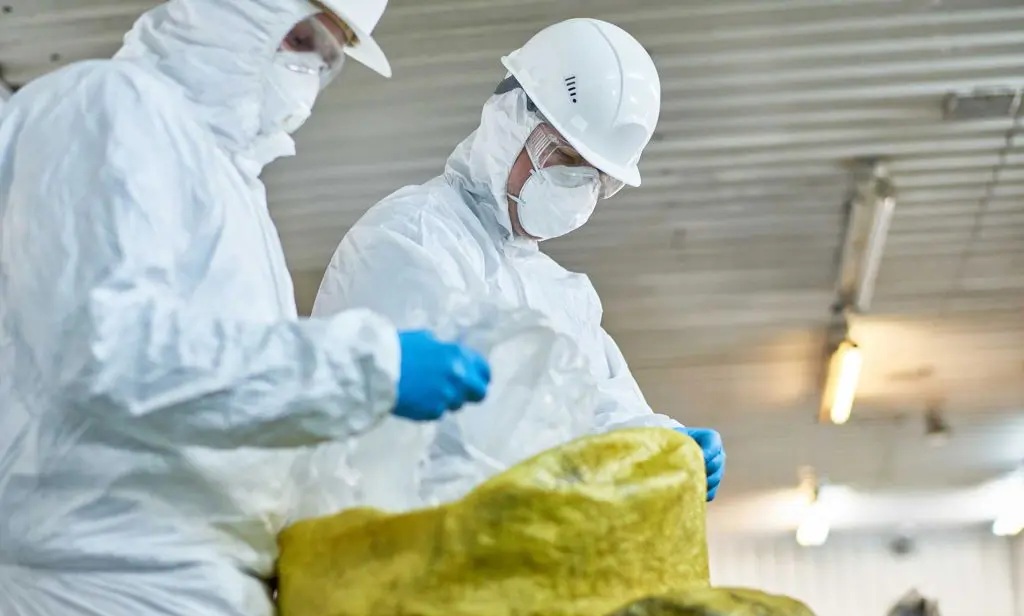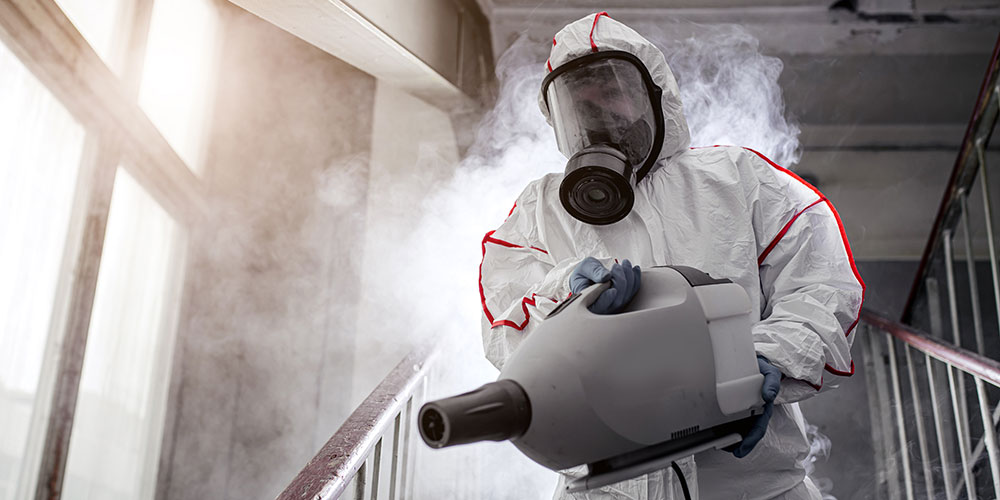
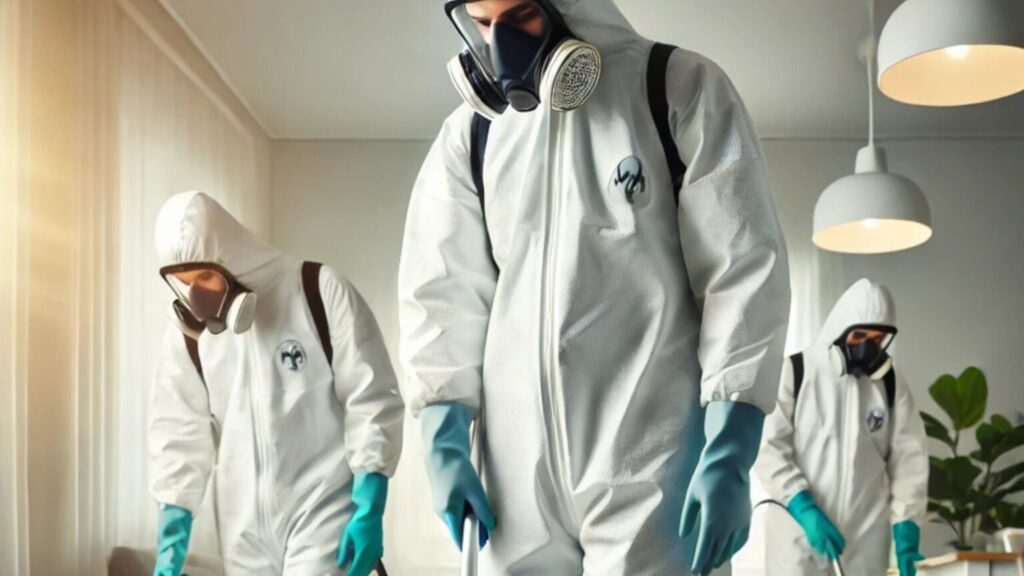
The moment a serious injury or fatality happens on a factory floor, a warehouse, or a job site, a safety director is suddenly running two clocks at once. One is the regulatory clock — OSHA has to be notified within a specific window, and getting that wrong carries its own penalties. The other is the human clock: workers who witnessed it, a contaminated area that needs to be secured, and a facility that eventually has to reopen safely. Having established biohazard protocols for facilities before this moment ever happens is what separates a controlled response from a scrambled one.
Knowing what to do after a workplace fatality at an industrial site isn’t intuitive, and most safety programs spend far more time on prevention than on this exact sequence of hours. There’s no single OSHA form that walks a safety coordinator through scene remediation, because that side of the response sits outside OSHA’s jurisdiction entirely. That’s exactly why so many facilities discover, in the middle of a crisis, that they never actually planned for it.
This is the operational playbook for that sequence — how OSHA reporting and scene remediation actually fit together, how to protect your workforce psychologically as well as physically, and what it takes to get a facility legally and safely back to operation.
The Clock That Starts the Moment It Happens
Under 29 CFR 1904.39, employers must report any work-related fatality to OSHA within 8 hours of the death, and any in-patient hospitalization, amputation, or loss of an eye within 24 hours. This applies around the clock — nights, weekends, holidays — with no exception for timing. If a worker is injured and dies from those injuries weeks later, the 8-hour clock starts when you learn of the death, not when the original incident occurred, as long as the death happens within 30 days of the incident.
That reporting obligation is separate from the incident investigation itself. Reporting is a notification requirement: telling OSHA a fatality or severe injury happened. The investigation, determining what happened, why, and what changes prevent a repeat, is a distinct process that typically continues well after the initial report goes in, and documentation from it generally needs to be retained for five years alongside your OSHA 300 Log entries.
This distinction matters directly for industrial accident trauma cleanup steps, because it defines when remediation can legally begin. Scene preservation for the investigation and biohazard remediation aren’t in conflict, but they do need to be sequenced correctly. A safety coordinator who treats the 8-hour report and the physical cleanup as the same task, or who assumes one automatically clears the way for the other, is the most common source of confusion in the first few hours after a serious incident.
Balancing Investigation Needs With Remediation Timing
The instinct after a serious incident is to clean up as fast as possible and get the facility running again. That instinct needs to be checked against what OSHA’s Area Office, and potentially local law enforcement in a fatality, may need from the scene first.
For a workplace fatality, OSHA’s Area Office director decides whether the agency will send an investigator, and that decision can affect how soon physical evidence at the scene can be disturbed. In practice, coordinate with the responding OSHA officer or your internal safety and legal team before any cleanup begins, and get clear confirmation, ideally in writing, that the scene has been released for remediation. Photograph the affected area extensively before any cleanup work starts regardless of what officials say, since this protects your own documentation trail independent of what an investigator captures.
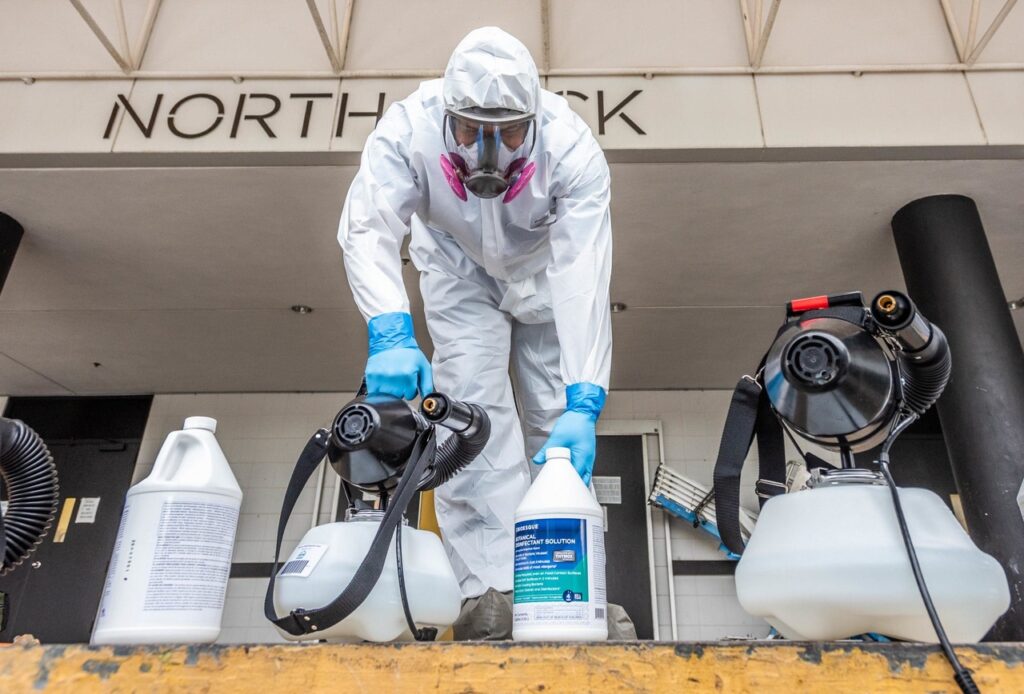
Once release is confirmed, commercial blood cleanup protocol work can begin. The remediation itself doesn’t wait on the full investigation being complete — it waits on the physical scene being cleared for disturbance, which is usually a much shorter window than the investigation process as a whole.
Protecting Workers From Secondary Psychological Trauma
This is the part of corporate biohazard response plan development that gets far less attention than it should, and it has direct operational consequences beyond simple compassion.
The single most effective step is immediate physical partitioning of the accident zone. Workers on a factory floor or warehouse should not have unobstructed sightlines to a contaminated area for the hours or days between the incident and remediation. Portable barriers, tarps, or simply closing off the section of the facility involved prevents repeated exposure to a distressing scene, which research on workplace trauma consistently links to secondary psychological impact separate from whatever the original witnesses experienced.
Communicate clearly and promptly with the workforce about what happened, without unnecessary graphic detail, and let people know remediation is underway by certified professionals. Facilities that stay silent, or that let a partitioned area sit unaddressed for days without any communication, tend to see morale and productivity effects spread well beyond the immediate area, sometimes affecting departments that had no direct connection to the incident.
Make counseling resources available proactively rather than waiting for someone to ask. An Employee Assistance Program, if your organization has one, should be activated immediately following any serious injury or fatality, not held in reserve for employees who specifically request it. A corporate biohazard response plan that only addresses the physical cleanup and skips this step is an incomplete plan, regardless of how thorough the remediation itself turns out to be.
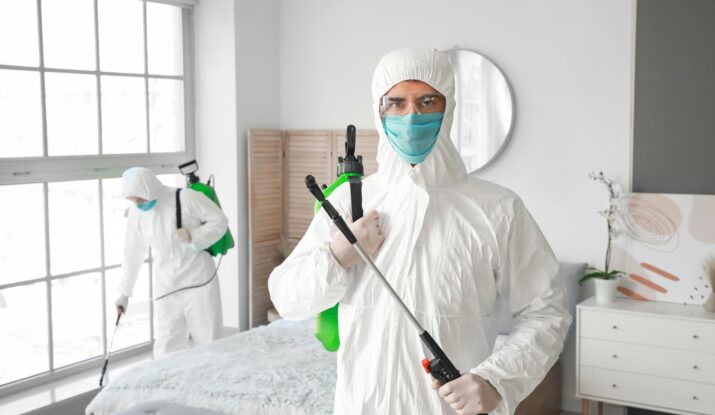
Insurance: Decontamination vs. Replacement of Commercial Equipment
This is where OSHA workplace accident remediation rules intersect with a purely financial decision most safety directors haven’t had to make before, and getting it wrong either under-restores equipment or wastes money replacing something that could have been safely decontaminated.
Industrial equipment contaminated during a serious injury or fatality — machinery, conveyor systems, flooring, structural components — generally falls into one of two categories. Equipment with accessible surfaces and no internal components exposed to contamination can typically be professionally decontaminated using biohazard-specific protocols, verified afterward through surface testing. Equipment with contamination that reached internal mechanical assemblies, sensitive electronics, or areas that can’t be adequately accessed for treatment often needs full replacement, since incomplete decontamination in an inaccessible area creates ongoing liability that outweighs the cost difference.
Get a written assessment from your remediation provider before filing an insurance claim, documenting specifically which equipment was fully decontaminated and verified, versus which required replacement and why. This assessment is the backbone of any defensible OSHA workplace accident remediation rules compliance record you’ll need if the claim or the underlying incident is ever revisited. Insurers evaluating a commercial property claim connected to a workplace accident want documentation that distinguishes a reasoned professional determination from a blanket decision to replace everything out of caution — the latter tends to get challenged or reduced during claims review.
Why the Sign-Off Has to Come From a Certified, Insured Professional
This is the single most consequential decision point in the entire process, and it’s the one some facilities try to shortcut.
A “safe to return to work” determination for a contaminated area needs to come from an IICRC-certified biohazard remediation professional carrying appropriate pollution liability insurance, not from internal facilities staff or a general cleaning contractor. This matters for two separate reasons. First, the actual biological and chemical safety of the space depends on verified testing — ATP surface testing or equivalent — performed by someone trained to interpret the results correctly, not a visual inspection. Second, and often overlooked, the certification and insurance behind that sign-off is what protects the facility legally if a worker later develops a health complaint connected to the area.
A facility that reopens a contaminated zone based on an internal team’s judgment, without third-party certified verification, has no independent documentation to point to if that judgment is later questioned in a workers’ compensation claim or a broader liability suit. A signed clearance report from a certified, insured provider is the evidence that the facility met its duty of care before allowing employees back into the space.
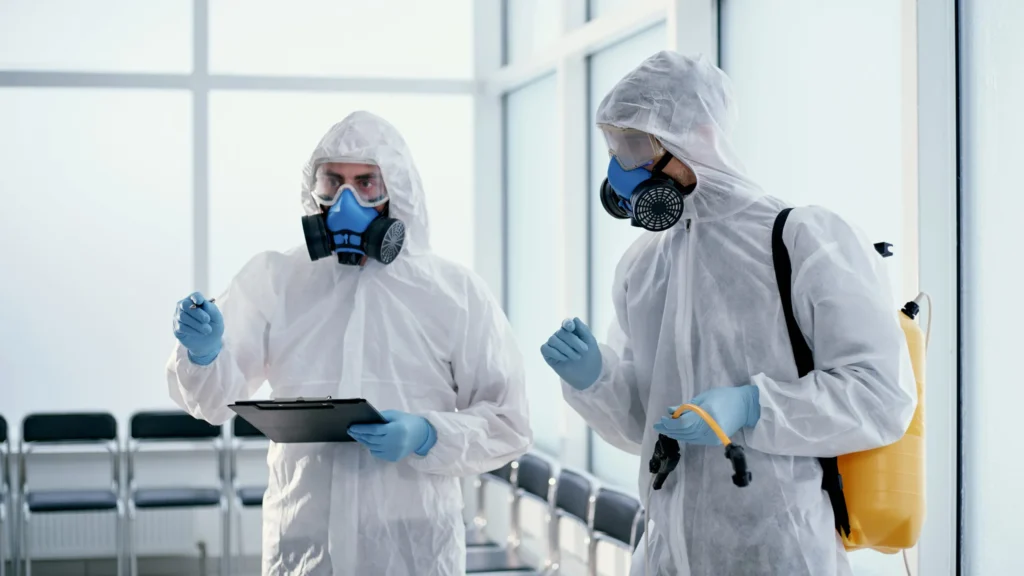
Building Biohazard Protocols for Facilities Before You Need Them
The facilities that navigate this well aren’t improvising when an incident happens. They have a pre-established relationship with a certified biohazard remediation provider, a documented internal protocol for OSHA reporting timelines, a communication plan for the workforce, and clear internal authority over who makes the call to bring in outside remediation versus attempting anything internally. That combination is, in practice, what biohazard protocols for facilities actually look like once they’re written down instead of assumed.
BioRecoveryPro works with corporate safety directors and facility managers to establish exactly this kind of pre-incident readiness, connecting industrial and commercial accounts with certified, insured biohazard specialists who can respond quickly and provide the documented clearance a facility needs to reopen with confidence.
Final Thoughts
What to do after a workplace fatality at an industrial site comes down to running two processes correctly and in the right order: meeting OSHA’s reporting and investigation requirements, and getting the physical space professionally remediated and certified safe. Neither can substitute for the other, and trying to rush past either one, reporting late, or reopening a space without certified clearance, creates exposure that follows a facility for years after the incident itself is resolved. Solid biohazard protocols for facilities aren’t built during a crisis. The safety directors who handle this well built the relationships and the plan before they ever needed them.