- Can I just use a regular carpet cleaner or steam cleaner? Steam cleaning tends to make this worse rather than better. Heat can set proteins and set the odor deeper into fibers and padding, and it pushes moisture further down into the subfloor if fluid has already reached that layer. Stick to cold or lukewarm water and an enzymatic cleaner instead.
- How long does the smell usually last after cleanup? On a hard, sealed surface, odor from a small amount of surface contamination usually clears within a day or two of enzymatic treatment and good airflow. If it’s still noticeable after that, especially a smell that seems to shift or intensify with humidity, the source likely wasn’t fully removed and the area needs a deeper look.
- Is it safe for other pets to be in the house during cleanup? Keep other pets out of the affected room until cleaning and disinfection are finished. Curiosity, combined with the strong smell, can lead another animal to investigate or even try to lick the area, which isn’t worth the health risk.
- Will homeowners insurance cover professional cleanup? It depends on the policy and the extent of the damage. Some policies cover biohazard remediation if the contamination affected flooring or structural materials; smaller surface cleanups typically fall below a deductible and aren’t worth filing a claim over. A remediation company can usually tell you during the initial estimate whether the job would qualify.
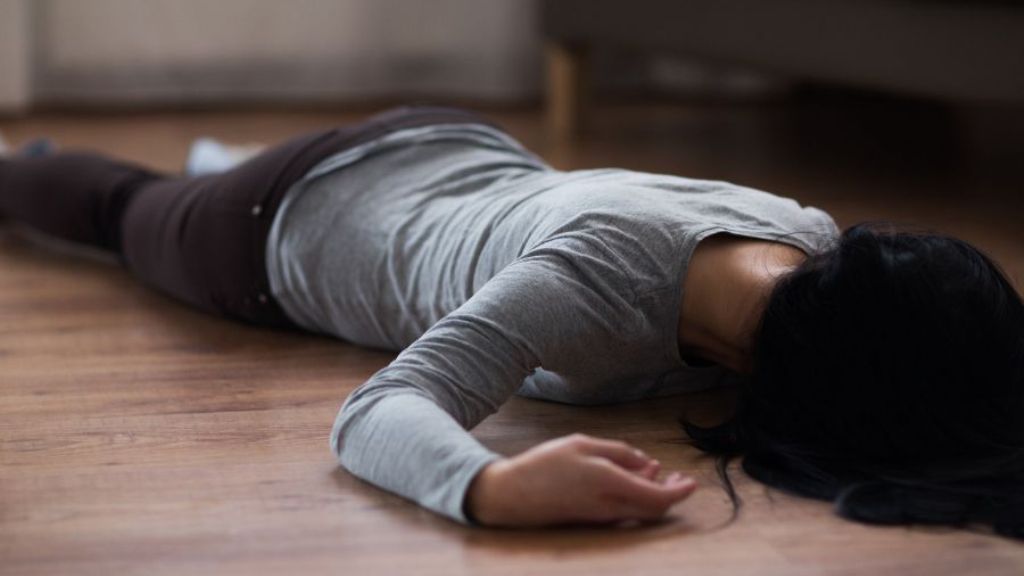
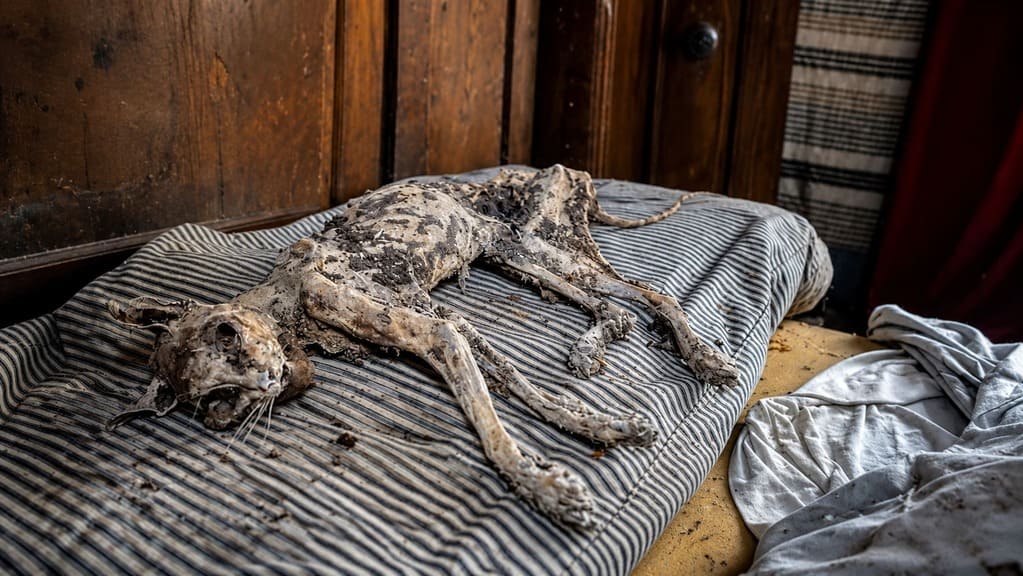
You went looking for your cat because she hadn’t shown up for dinner, and now you’re standing in a closet, or behind the couch, or in the crawlspace under the porch, trying to process what you’re looking at and breathing through your sleeve. If you’re searching for what to do when a pet decomposed in your house before you found it, you’re probably not looking for comfort right now. You need to know what’s safe to touch, what isn’t, and what happens next.
So here’s the short version, and then the details.
How You Might Notice Before You Find the Pet
Sometimes the smell arrives before the discovery does. A sweet, heavy odor that seems to come from a specific corner of a room, a spot that flies keep gathering around, or a patch of carpet that stays damp for no clear reason are all common early signs of pet decomposition odor removal situations before anyone realizes what’s causing them. If you’ve noticed a smell like this and haven’t located its source yet, check low, enclosed spaces first: under beds, inside closets, behind large furniture, in crawlspaces, and near exterior doors a pet might have used to get outside before it became too weak to return.
This Happens More Than You’d Guess
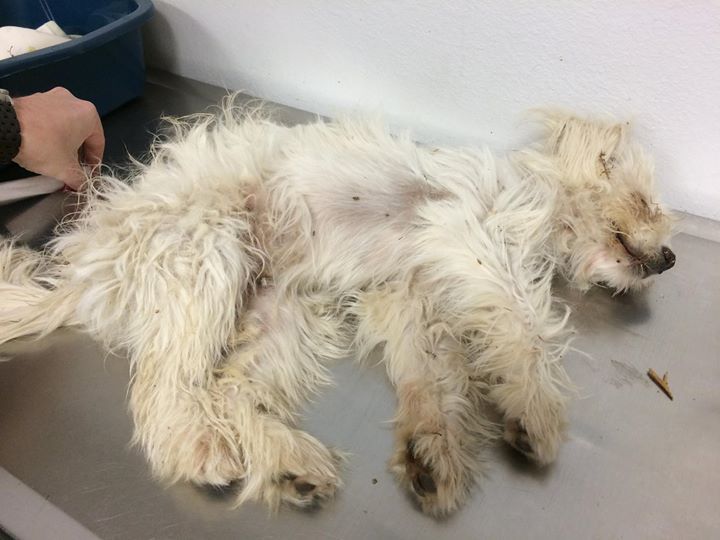
Cats in particular are known for hiding when they’re seriously ill or dying. It’s an instinct left over from life in the wild, where a visibly weak animal is an easy target. Dogs, especially older ones or those with mobility problems, can also die somewhere out of sight in a large house, a garage, or under a deck. If you’ve been away for a few days, or the pet slipped into a rarely used room, it’s entirely possible for a week or more to pass before anyone notices.
None of that means you did something wrong. It means you’re dealing with a situation that a lot of pet owners quietly go through and rarely talk about.
Step One: Don’t Walk In and Start Cleaning
Before you touch anything, open windows and doors to the affected room and, if you have one, point a fan out of the space rather than into it. Decomposition produces gases, including hydrogen sulfide and methane, that build up in a closed room and can cause headaches, nausea, or dizziness if you’re breathing them in a small, unventilated space for very long. Give the room several minutes to air out before you go back in to assess it.
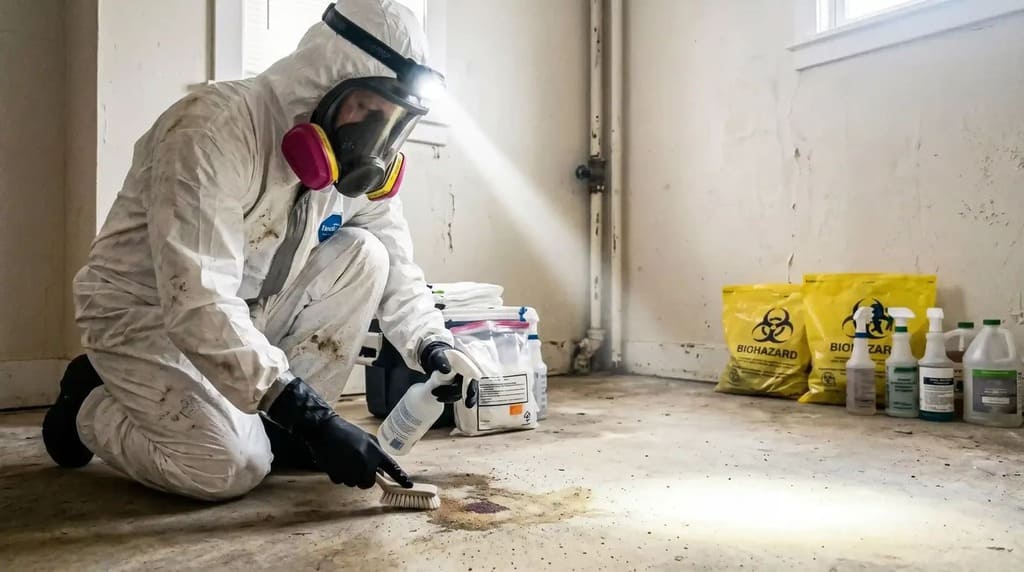
When you do go back in, wear disposable gloves at minimum, and add a well-fitting mask if the smell is strong. Avoid direct skin contact with any fluid around the body. Decomposing animal remains can carry bacteria such as Salmonella and, less commonly, parasites, and while the risk to a healthy adult handling a single household pet briefly is low, there’s no reason to take chances with bare hands. The CDC’s guidance on pets and disease covers this kind of cross-contamination risk in more detail if you want the full picture.
What You’re Actually Looking At
How bad the cleanup is depends almost entirely on two things: how long the pet was there, and what surface it was on.
A pet found within a day or two, on a hard floor like tile or sealed wood, is often a fairly contained job. A pet that had been there for a week or more, especially on carpet, upholstery, or wood flooring, is a different situation, because decomposition fluid (sometimes called “purge fluid”) has had time to soak downward and outward well past the visible stain.
Here’s the general breakdown:
- Hard, non-porous surfaces (tile, sealed concrete, laminate): usually cleanable yourself once the remains are removed.
- Carpet and padding: often need to be cut out and discarded, since fluid tends to soak into the padding and subfloor beneath, not just the carpet fibers.
- Hardwood or engineered wood floors: fluid can seep between boards and stain or warp the wood itself, which sometimes isn’t visible until days later.
- Upholstered furniture: foam and batting absorb fluid the same way carpet padding does, and odor tends to persist even after the surface is wiped clean.
If you’re only dealing with a small amount of fluid on a sealed, hard surface, a DIY cleanup is reasonable. If the pet was on carpet, upholstery, or wood for more than a couple of days, assume the contamination goes deeper than what you can see.
Removing the Remains
Wearing gloves, place the remains in a heavy-duty trash bag, double-bagged if possible, and check your local rules before disposal. Many municipalities have specific requirements for pet burial or disposal. Missouri, for example, requires burial within 48 hours at a depth of at least two feet if you’re burying on your own property; other states route pet remains through veterinary offices, animal control, or licensed pet cremation services. A quick call to your city’s animal control department or a local vet clinic will usually get you a straight answer for your area.
Cleaning the Affected Area Yourself
If you’ve determined the damage is surface-level, here’s a reasonable process:
- Remove any solid material or fluid with paper towels, disposing of them in a sealed bag.
- Clean the surface with hot water and a household disinfectant or a 1:10 bleach-to-water solution on surfaces that can tolerate bleach.
- Let the area air dry fully before covering or re-sealing it.
- Apply an enzymatic cleaner made for organic odor and stain removal, not a standard air freshener, which only masks the smell temporarily. Enzymatic cleaners break down the organic compounds that cause the odor instead of covering them up.
- Repeat the enzymatic treatment if any smell lingers after 24 hours, since a single application doesn’t always fully neutralize deeply set odor.
Check back on the area over the next several days. A smell that fades is a good sign. A smell that returns, or that seems to be coming from below the surface rather than off of it, usually means fluid reached something the surface cleaning didn’t touch.
This kind of cleaning up after a pet died unnoticed is manageable on your own when the contamination stayed on top of a sealed surface. The moment fluid has worked its way into a porous material, though, wiping the surface won’t reach the actual source, and reapplying cleaner every few days without real progress is usually the clearest sign the job needs to move to the next stage.
When to Call a Professional Instead
A few signs point to professional-grade remediation rather than a DIY fix:
- The pet was undiscovered for more than a few days, particularly in warm weather.
- The stain or odor is on carpet, wood flooring, or upholstery rather than a hard, sealed surface.
- You can still smell decomposition after cleaning and drying the visible area.
- There’s discoloration, warping, or softness in the subfloor once carpet or flooring is pulled back.
At that point, the contamination has usually gone past what surface cleaning and store-bought enzymatic sprays can reach. A property that reaches this stage needs the same category of treatment used for larger decomposition cleanup in a home, just at a smaller scale: subfloor-level enzymatic treatment, moisture testing to rule out mold from trapped fluid, and, occasionally, replacement of affected padding or subflooring.
Common Questions
A Note on the Emotional Side
Finding a pet this way is genuinely hard, and it’s common to feel some combination of grief, guilt, and disgust at the same time, which is an uncomfortable mix. None of those feelings mean you failed your pet. Animals, cats especially, are built to hide illness and injury, and a pet quietly passing away somewhere out of sight is often simply how the end came, not a sign of neglect.
Once the practical side is handled, give yourself room to grieve on its own timeline. That part doesn’t have a checklist.
When It’s More Than You Want to Handle Alone
Some pet owners get through this entirely on their own with gloves, a good enzymatic cleaner, and an afternoon. Others find that between the smell, the physical task, and the emotional weight of it, they’d rather have someone else handle the cleanup so the space stops being a reminder of how the pet was found. Either choice is reasonable. If you fall into the second group, or the contamination turns out to be deeper than expected once you start, a certified biohazard and odor remediation team can finish the job properly and confirm the space is fully decontaminated, not just deodorized.