Here’s a scenario that plays out more often than the industry likes to admit: a new operator lands their first few jobs, does solid cleanup work, and then gets a call from a state environmental agency months later about waste that was never properly tracked to its final disposal point. The remediation was fine. The waste chain wasn’t. And that gap alone can end a business before it really gets started.
A biohazard waste disposal contract relationship isn’t something you figure out as you go — it’s foundational infrastructure that has to be in place before your first job, not after your first close call. This guide walks through exactly how to build that infrastructure correctly: partnering with licensed facilities, navigating the manifest system, understanding how wildly state requirements actually differ, and setting up transport that won’t create a liability nobody warned you about.
None of this is optional paperwork you can catch up on later. Every step in this chain is enforceable, and the businesses that treat it as a formality tend to learn that lesson the expensive way.
Partnering With Licensed Medical Waste Facilities the Right Way
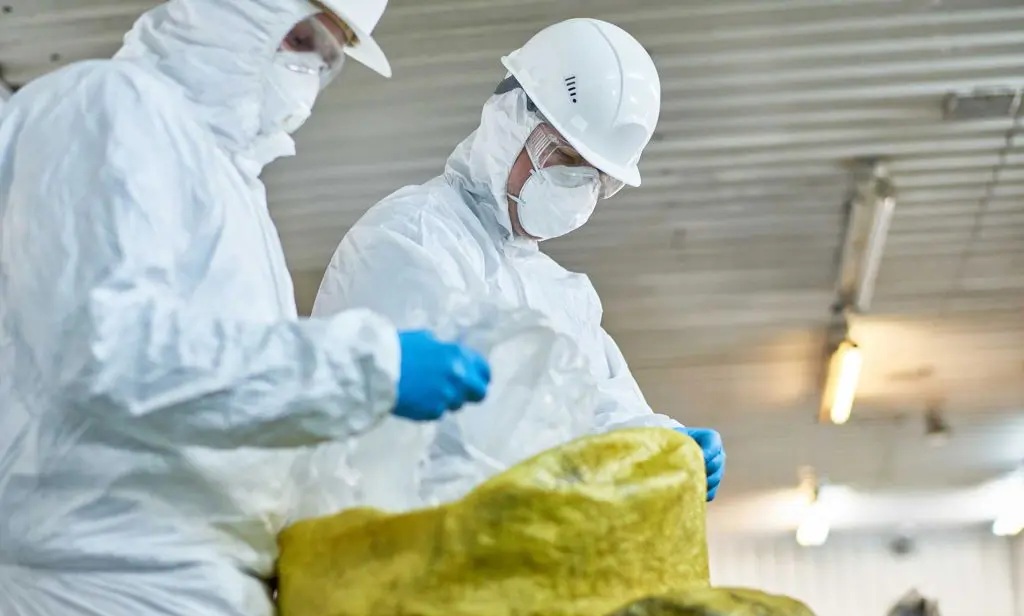
Every biohazard remediation business generates regulated medical waste, and almost none of them are equipped to treat or dispose of it themselves. That’s not a gap in your operation — it’s how the system is designed to work. The relationship you need is with a licensed medical waste management facility that handles the treatment and final disposal side of the chain.
Understanding medical waste transport license requirements before you sign with any facility or transporter protects you from a mistake that’s surprisingly common: assuming a company’s professional appearance or website substitutes for verified licensing. It doesn’t, and regulators don’t accept that assumption either when a downstream problem surfaces.
The due diligence here matters more than most new operators realize. Confirm the facility holds current state licensing specifically for the waste categories you generate, not just a general environmental permit. Ask directly about their own compliance history — a facility with a pattern of violations becomes your liability the moment your waste passes through their hands, under the “cradle-to-grave” responsibility framework that federal hazardous waste law places on generators. Request a copy of their EPA identification number and current state operating permit before signing any service agreement, and keep both on file.
A properly structured contract with a licensed facility should specify pickup frequency, container requirements, documented weight or volume tracking, and — critically — confirmation that they’ll execute and return signed manifests promptly rather than treating that paperwork as an afterthought.
Hazardous Waste Transport Manifest Guidelines: Your Actual Legal Shield
This is the part of the business most new operators underestimate until something goes wrong, and by then it’s too late to fix retroactively.
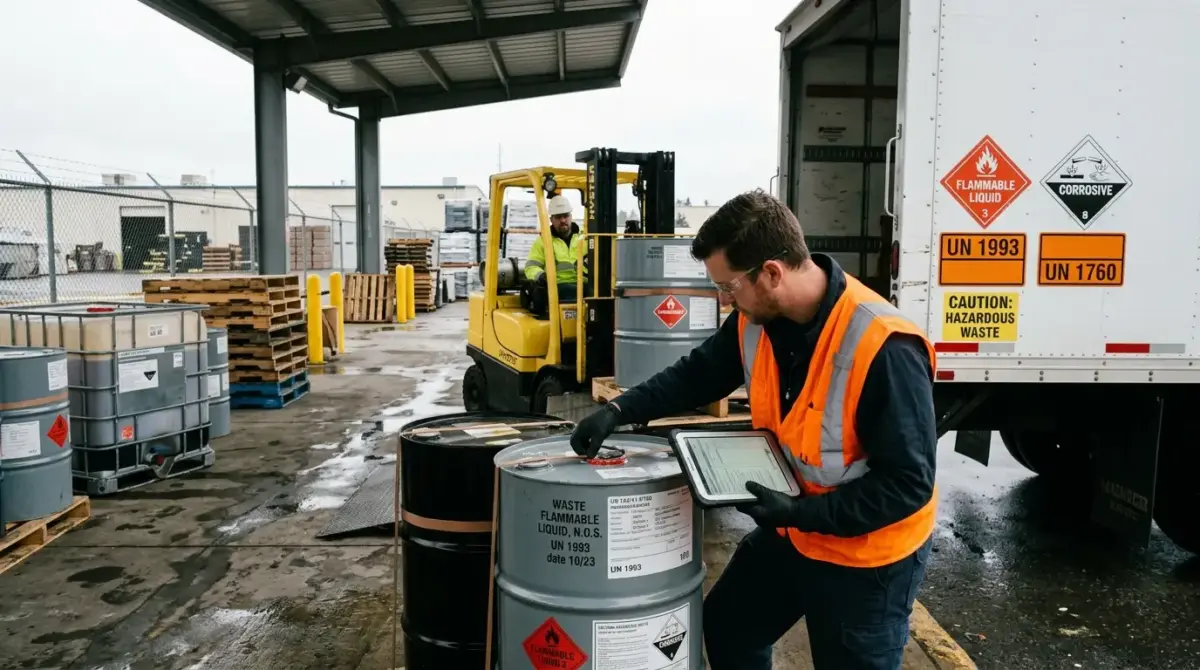
The waste manifest is the document that tracks regulated medical waste from the moment it leaves your custody to its final treatment or destruction. Biological waste disposal manifest guidelines generally require the manifest to travel with the waste at every stage: your business as generator, the licensed transporter (which may be your own company or a third party), and the receiving treatment facility. Each party signs at their respective stage, creating a documented chain that proves where the waste went and confirms it was handled by licensed parties throughout.
Under federal hazardous waste law, generators carry liability for their waste that doesn’t automatically end when a licensed transporter picks it up. If a downstream facility is later found responsible for an environmental release — even years later, even through no fault of your own — your business can still be named as a Potentially Responsible Party if the manifest trail shows the waste originated with you. This is precisely why the manifest isn’t just paperwork; it’s the evidence that your business met its legal obligations regardless of what happened after the waste left your hands.
Practical guidance for maintaining a defensible manifest system: retain copies of every completed manifest for a minimum of three years, though many experienced operators keep them indefinitely given the potential for delayed liability claims. Reconcile manifests against your own job records regularly, not just when preparing for a renewal or an audit. And never accept a transporter’s assurance that “it’s handled” without the signed documentation to prove it.
How to Dispose of Crime Scene Waste Legally: The Category-Specific Rules
Crime scene and trauma cleanup waste carries its own specific handling requirements that differ meaningfully from general medical waste generated in a clinical setting, and getting the classification wrong creates compliance exposure on both ends of the transaction.
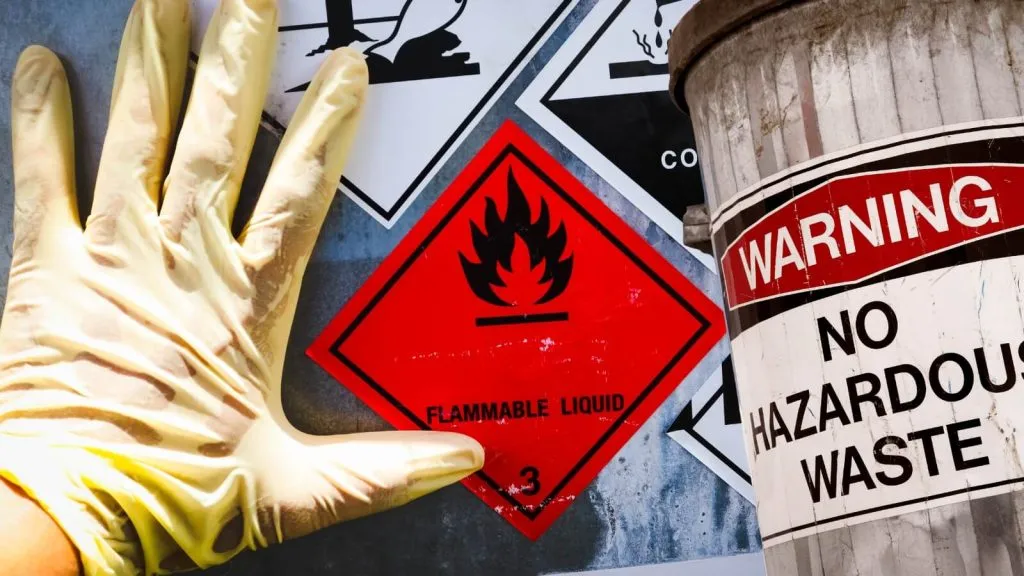
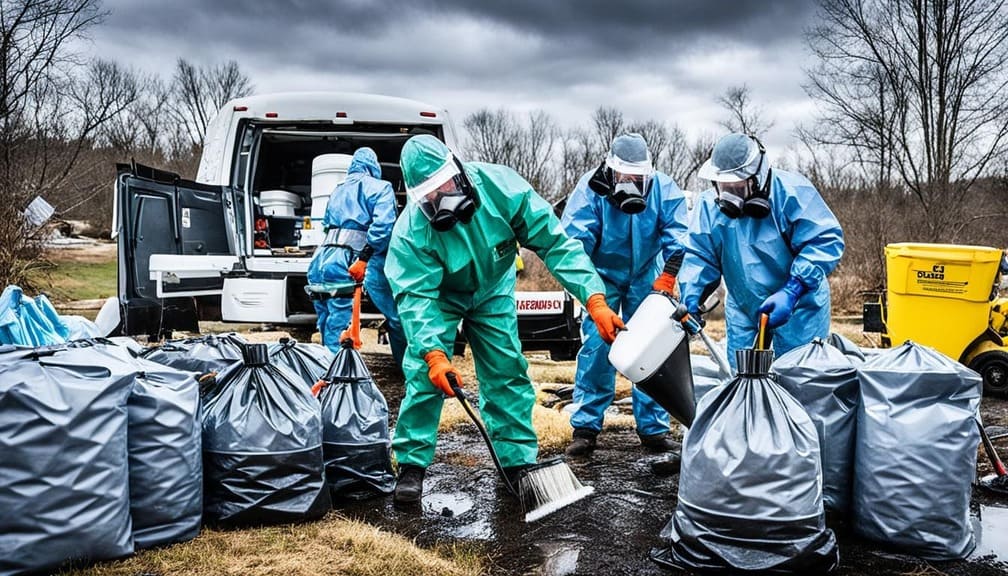
Blood-saturated materials, tissue, and other biological waste generated during remediation must be segregated into DOT-approved red-bagged containers immediately at the point of generation — not consolidated with general trash at any point, and not stored loose before bagging. DOT regulations under 49 CFR Parts 171 through 180 govern how this waste must be packaged, labeled, and transported once it’s classified as regulated medical waste, including specific container performance standards and placarding requirements for the transport vehicle itself.
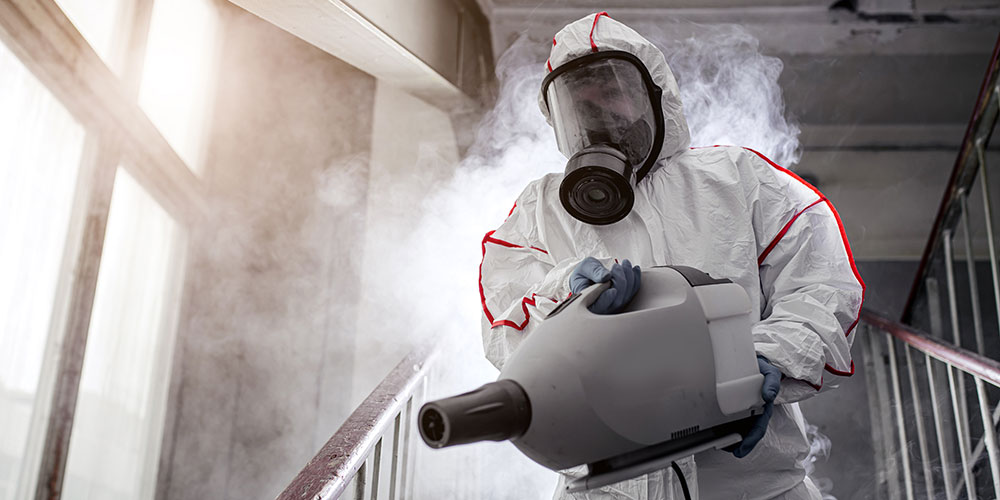
How to dispose of crime scene waste legally also means understanding that some materials generated during remediation — contaminated sharps if present, chemical residue from certain decontamination processes — may fall under separate regulatory categories requiring different handling entirely. A properly trained crew segregates waste by category at the point of generation rather than sorting it later, since improper mixing can convert an entire container into a more heavily regulated waste stream than necessary.
State-by-State Differences: Why “It Worked in the Last State” Doesn’t Apply
This is where operators expanding across state lines get into genuine trouble, because assuming regulatory consistency between states is one of the most common — and costly — mistakes in this industry.
There is no single national medical waste law. What exists instead is a federal baseline layered under a patchwork of state-specific statutes that differ substantially in generator registration thresholds, approved treatment methods, storage time limits, and transporter licensing requirements. California and Washington maintain some of the strictest frameworks in the country, generally requiring biohazardous waste to be treated before final disposal and prohibiting self-transport without a specific hauler permit. New York’s Department of Health requires detailed on-site treatment logs alongside transporter permits and comprehensive tracking manifests, with additional reporting obligations triggered once a generator exceeds a defined monthly waste volume. New Jersey enforces one of the broadest legal definitions of infectious waste in the country, capturing categories of material that other states don’t regulate at all.
Interstate transport adds another layer entirely. Moving waste across a state line converts what might be a straightforward intrastate haul into interstate commerce, which can trigger additional federal motor carrier requirements on top of whatever both states individually require. Some states, like New Jersey, require a specific transporter license — commonly called an A-901 license in that state’s system — separate from a standard state waste registration, with its own vehicle registration requirements specifying commercial classification rather than standard passenger-commercial plates.
The operational takeaway: before expanding service into a new state, verify that state’s generator registration requirements, transporter licensing rules, and manifest format independently. Don’t assume your existing compliance setup transfers automatically, because in most cases it doesn’t.
Hazardous Material Handling for Clean Up Business: Packaging, Storage, and Vehicle Setup
Getting the physical handling right protects you on two fronts simultaneously: worker safety and regulatory compliance, which fortunately tend to align closely in this specific area.
Packaging starts at the point of generation. Regulated medical waste goes into red, biohazard-labeled bags meeting DOT performance standards, placed inside rigid, leak-resistant containers for transport — never loose, never in standard trash bags, regardless of how contained a spill appeared to be. Sharps, where present, require their own puncture-resistant containers entirely separate from soft waste.
Storage between generation and pickup matters just as much as the packaging itself. Most state regulations impose specific time limits on how long regulated medical waste can be held before it must be picked up or treated, and storage areas typically need to meet defined requirements around temperature, security, and separation from general waste streams.
Vehicle setup for hazardous material handling for cleanup business operations that transport their own waste requires commercial vehicle registration specifically, proper placarding under DOT hazmat transport rules, and — this is the gap that catches operators off guard most often — pollution liability coverage that explicitly extends to in-transit releases. A standard commercial auto policy typically excludes pollution-related cleanup costs from a spill during transport, which means a biohazard business hauling its own waste needs a specific transportation pollution liability endorsement layered on top of standard auto coverage, not just an assumption that general liability handles it.
Building a Compliant Waste Chain From Day One
The businesses that avoid regulatory trouble in this space treat their waste chain with the same rigor they apply to remediation itself: documented relationships with licensed facilities, a disciplined manifest retention system, category-specific packaging discipline, and state-by-state verification before expanding service territory.
BioRecoveryPro works with insurance-verified, IICRC-certified remediation contractors across all 50 states who maintain exactly this kind of documented, compliant waste chain — connecting properly credentialed operators with the insurance-managed and municipal contracts that require it.
Final Thoughts
A defensible waste chain isn’t the part of this business that generates revenue, which is exactly why it’s the part new operators are tempted to under-invest in. But the manifest trail you build, the facility relationships you verify, and the state-specific compliance you confirm before crossing a border are what stand between your business and a liability that can surface years after a job is finished and forgotten. Get this infrastructure right before your first job, not after your first regulatory letter.