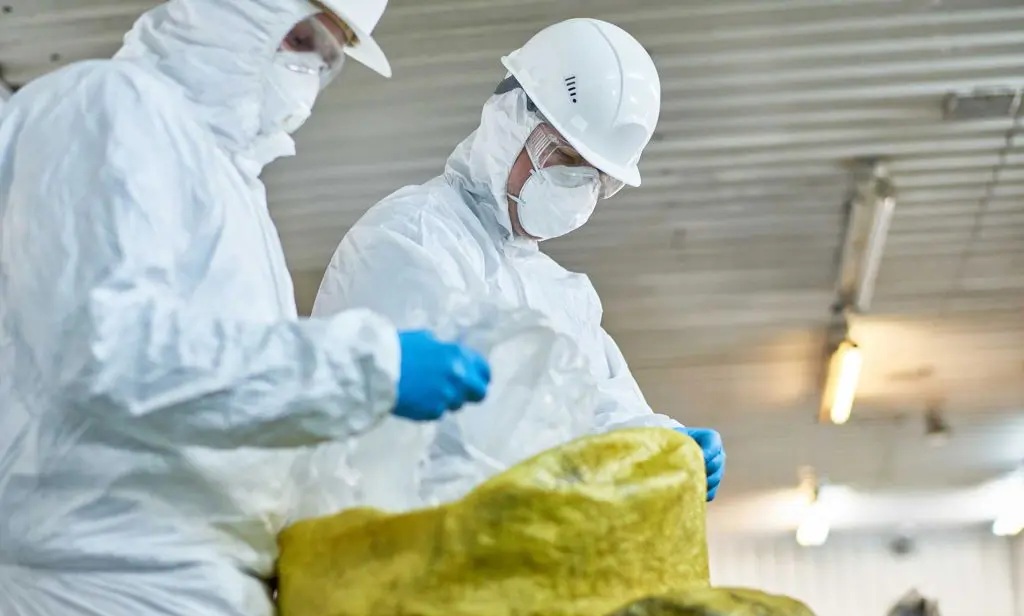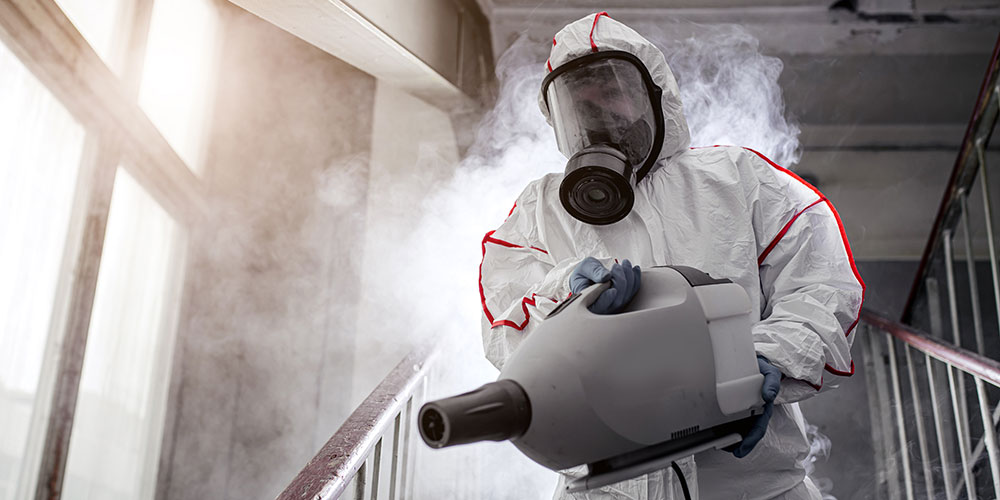

Picture this: a property manager just discovered an unattended death in one of their units. It’s 9 pm, they’re panicking, and they’re typing “biohazard cleanup near me” into Google with shaking hands. Three results show up. None of them are your company — even though you’re the most qualified, most certified operator within twenty miles.
That scenario plays out every day across the country, and it’s why SEO for biohazard cleanup companies deserves far more attention than most operators give it. Word-of-mouth and a Yelp listing aren’t enough — the companies that show up when someone is in crisis are the ones that get the call, and showing up is a function of deliberate SEO work, not luck.
This guide covers the regulatory signals, technical architecture, and conversion details unique to this industry — the things most competitors are still getting wrong.
Why Biohazard SEO Plays By Different Rules: Google’s YMYL Framework
Local SEO for crime scene cleanup doesn’t follow the same playbook as a plumber, and the reason comes down to how Google classifies this content.
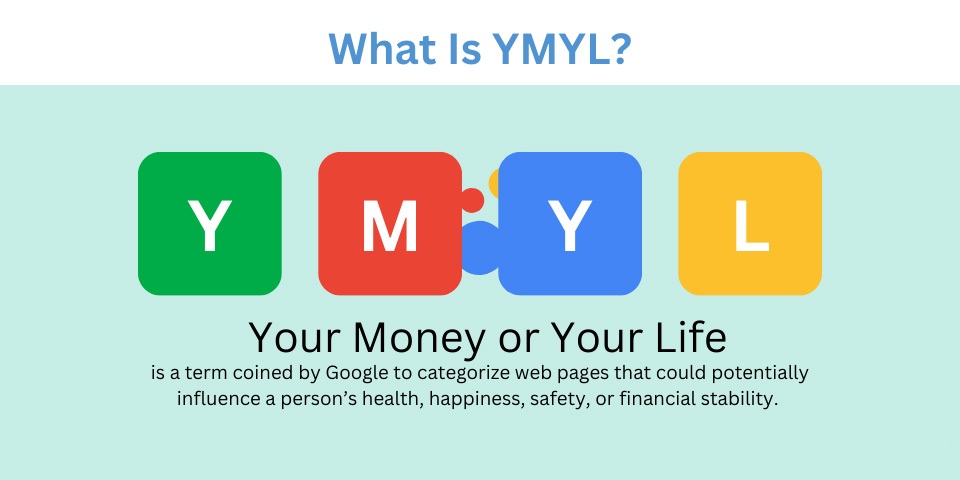
Google treats biohazard and trauma cleanup content as YMYL — “Your Money or Your Life” — the same category applied to medical, legal, and financial information. Pages here are held to the strictest version of Google’s E-E-A-T standard: experience, expertise, authoritativeness, and trustworthiness. Generic pages with vague language about “professional cleaning” simply don’t carry the credibility weight needed to rank, no matter how well-optimized they look on paper.
What does carry that weight are hard regulatory signals — specific, verifiable credentials that tell Google, and the person reading the page that this business operates under recognized standards.
The Credentials That Actually Move the Needle
Two standards deserve dedicated space on every service page, not a footer mention buried in fine print.
OSHA 29 CFR 1910.1030, the Bloodborne Pathogens Standard, governs how technicians are trained and protected when handling blood and other infectious materials. Referencing this standard by name — not just saying “OSHA compliant” — signals genuine technical fluency.
IICRC S540, the Standard for Trauma and Crime Scene Biological Cleanup, is the industry-specific benchmark from the Institute of Inspection, Cleaning and Restoration Certification. Very few competitors reference S540 by name, which makes it one of the easiest authority signals to claim if you actually hold it.
Weaving these terms naturally into city and service pages captures B2B-intent searches from property managers and insurance adjusters — and tells Google this page belongs in the highest-trust tier for a YMYL topic.
The Insurance Billing Page Most Companies Don’t Have
A huge share of search intent here is driven by financial anxiety, not just logistics. People want to know whether their homeowner’s policy covers crime scene cleanup before they think about scheduling anything.
A dedicated page — “Insurance and Billing for Biohazard Cleanup” — explaining how you work directly with major carriers, handle claims paperwork, and use industry scoping software like Xactimate addresses this head-on. Bio Recovery Pro’s approach to insurance coordination is a useful reference for what this page should communicate. Google rewards content that resolves this kind of secondary intent, and almost none of your competitors have built it.
Master the Map Pack: Advanced Google Business Profile Tactics
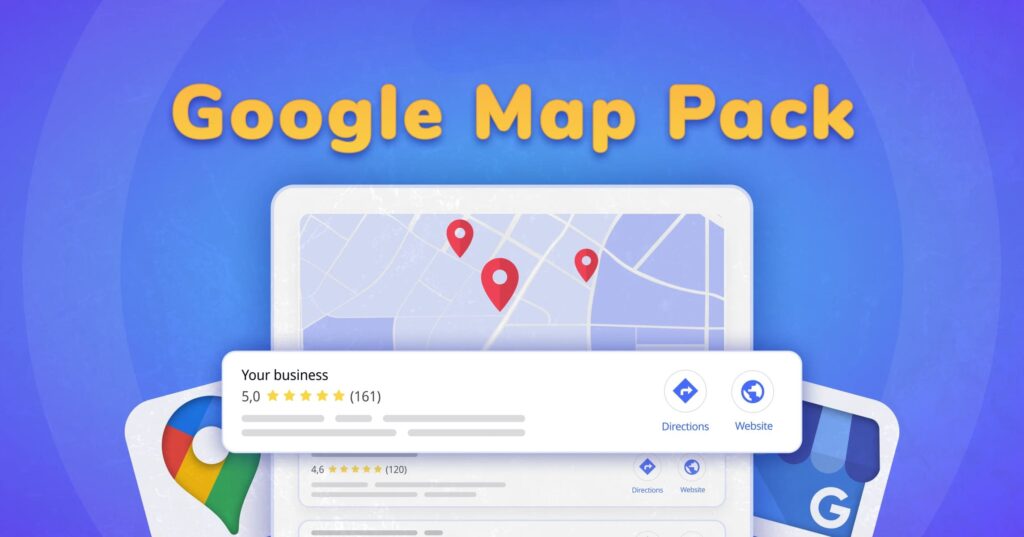
When someone searches “crime scene cleanup [city]” or “biohazard cleanup near me,” the results that matter most are the block of three listings with a map at the top — the Local 3-Pack. For an industry built entirely on emergency-intent searches, the map pack isn’t one priority among many. It’s the priority.
The Three Factors Behind Map Pack Placement
Google’s local algorithm weighs relevance, distance, and prominence when deciding which three businesses to show.
Relevance comes down to how clearly your Google Business Profile communicates what you actually do. Many biohazard companies sit under generic categories like “cleaning service,” which tells Google almost nothing. Setting your primary category to the most specific match available, and writing your description using phrases people actually search — “unattended death cleanup,” “trauma scene remediation” — gives Google the signal it needs.
Distance is largely outside your control, though configuring your service area to reflect every city and county you serve helps Google understand where you should appear, even for searches not centered on your address.
Prominence is the factor most companies leave on the table. It’s built from reviews, citation consistency across directories, overall site authority, and how often people search for your business by name.
Address Verification and Profile Completeness
One easy-to-overlook detail: Google Business Profile address verification for emergency services often requires extra documentation, given how sensitive this industry is. Getting it right — accurate address, matching business name across directories, verified phone — prevents suspensions that can tank rankings for weeks.
Beyond verification, a fully built-out profile dramatically increases map pack odds:
- Every applicable service category selected, with the most specific one primary
- A description that naturally includes the terms people actually search
- All service area cities and counties listed, not just your home base
- Accurate hours, including 24/7 emergency availability if genuine
- A steady stream of real photos — team, equipment, vehicles, not stock imagery
- Pre-seeded Q&A answering common questions
- Occasional Google Posts that keep the profile looking active
Structuring City Service Pages That Rank Without Triggering “Spam” Filters
If your site has one page briefly mentioning the cities you serve, you’re leaving most of your traffic on the table. Each city deserves its own dedicated page built around that location’s search demand — not a copy-paste with the city name swapped. Google recognizes thin, duplicated content quickly, and near-identical city pages do more harm than good.
The Anatomy of a High-Converting Unattended Death Cleanup Page
The single highest-intent page type in this industry is the unattended death cleanup page for a specific city — and most companies treat it as an afterthought. A page that actually converts includes a unique opening that meets the reader emotionally, a step-by-step breakdown from scene release to final certification, local details like which county health department or law enforcement agencies you coordinate with, an FAQ answering “how long does cleanup take” or “does insurance cover this,” and a clear path to contact you.
Technical Architecture: Schema That Actually Connects the Dots
Most local SEO advice stops at “set up your Google Business Profile correctly” — but the structured data behind your city pages holds untapped potential. Rather than generic LocalBusiness schema, biohazard companies should implement more specific Schema.org structured data types — “@type”: “MedicalBusiness” or “@type”: “EmergencyService” — which better reflect how Google categorizes emergency-adjacent services.
The “areaServed” attribute should list every suburb your page is meant to capture, not just the primary city. Paired with “serviceType,” this connects high-value terms — fentanyl decontamination, hoarding remediation, unattended death cleanup — directly back to your location in a way Google can parse.
Scaling Your Coverage With a Hub-and-Spoke Model
Start with high-volume cities, then expand into neighboring areas — but don’t build isolated pages. The most effective structure is a hub-and-spoke cluster: a location hub page surrounded by related informational “spoke” articles covering topics like decomposition odor removal, hoarding cleanup costs, or what to do if a tenant dies in a rental property.
Each spoke links back to the hub using natural anchor text, distributing link equity and signaling exhaustive topical coverage. Operators with 20 to 40 location-specific pages in this kind of cluster consistently outperform competitors running a handful of generic pages — restoration company SEO rewards depth, not isolated pages.
Emergency-Intent Keywords: Capturing the Moment Someone Actually Needs You
Almost nobody researches biohazard cleanup companies in advance. The search happens in the moment of need, and the language used is distinct, urgent, and specific.
The High-Intent Searches Worth Building Around
Some of the most valuable searches include “biohazard cleanup near me,” “crime scene cleanup [city],” “[city] unattended death cleanup,” “decomposition cleanup [city],” “blood cleanup company [city],” and “emergency biohazard cleanup 24 hours.” Each represents a distinct moment of urgency and deserves its own content — a landing page, a service page, or a detailed FAQ entry.
Treating “biohazard cleanup” as a single keyword and hoping it covers all these variations is one of the most common mistakes in trauma cleanup marketing. Each phrase represents a different searcher in a different situation, and content that speaks directly to that situation converts far better than generic copy.
Semantic Depth: The Terms Competitors Aren’t Using
Beyond the obvious head terms, a layer of semantically related phrases signals real topical depth when woven naturally throughout your site: “trauma scene waste management tracking” (speaking to the documentation concerns property managers care about), “discreet crime scene cleanup” (addressing the privacy anxiety that’s often the first question a family asks), and “commercial property biohazard vendor” (capturing the B2B side of this market).
These don’t all need dedicated pages, but using them naturally in headers and FAQs builds the semantic richness Google looks for.
The Mobile Crisis Experience: Where Most Sites Quietly Lose the Call
In this industry, mobile experience matters more than almost any other local category. Someone searching is, by definition, in crisis — often on a phone with a weak signal. A dense wall of text causes an immediate bounce, and that bounce tells Google your page didn’t satisfy the query.
If your site takes longer than 2.5 seconds to load on a weak connection, you’re losing clients before they read a word. A sticky “Call Now” button pinned through scrolling removes the need to hunt for a number. The first thing above the fold should communicate 24/7 availability and discreet, unmarked-vehicle arrival — the reassurances people are silently looking for in the first three seconds. And for those who can’t speak out loud, a text or messaging option provides a path that a call doesn’t.
None of this is aesthetic preference. Each piece directly affects whether someone in crisis stays on your page long enough to convert, or bounces to the next result in the map pack.
Review Acquisition: The Hardest — and Most Valuable — Signal to Build
Reviews are one of the strongest local ranking factors, and the one biohazard companies struggle with most. Asking someone who just lost a family member to leave a review feels wrong in the moment — so most operators never ask.
The solution isn’t to skip the ask — it’s to time it correctly, staying within Google’s review policies. A brief, kind follow-up a week after the job is complete, once the immediate crisis has passed, is rarely unwelcome. An acknowledgment of what the person went through, gratitude for the chance to help, and a gentle note that a review helps other families find the right help reframes the request — it’s not about the business, it’s about the next person who needs help.
Beyond direct clients, valuable reviews come from referral partners — adjusters, property managers, estate attorneys — who have no emotional barrier to leaving one. Responding to every review, even briefly, signals an active business to Google. The request itself should be frictionless — a direct link, straight to the review form.
Before-and-After Content: A Different Set of Rules
In most home service industries, before-and-after photography is the backbone of marketing. For biohazard companies, getting this wrong can damage both reputation and search visibility.
Images depicting blood, decomposition, human remains, or anything from an active trauma scene have no place in public marketing. Beyond the ethical concerns, this imagery can trigger account suspensions on platforms like Google and Meta, and it repels the exact audience you’re trying to reach — families, property managers, and insurance professionals looking for reassurance, not graphic reminders.
The concept can still work with reframing. A cluttered hoarding scene transformed into a clean, livable space tells a powerful story without crossing lines. Structural restoration — flooring replaced, walls repaired — demonstrates capability. Written case narratives, stripped of identifying details, work well as content and testimonials. The throughline: show the path back to normal, not the crisis itself.
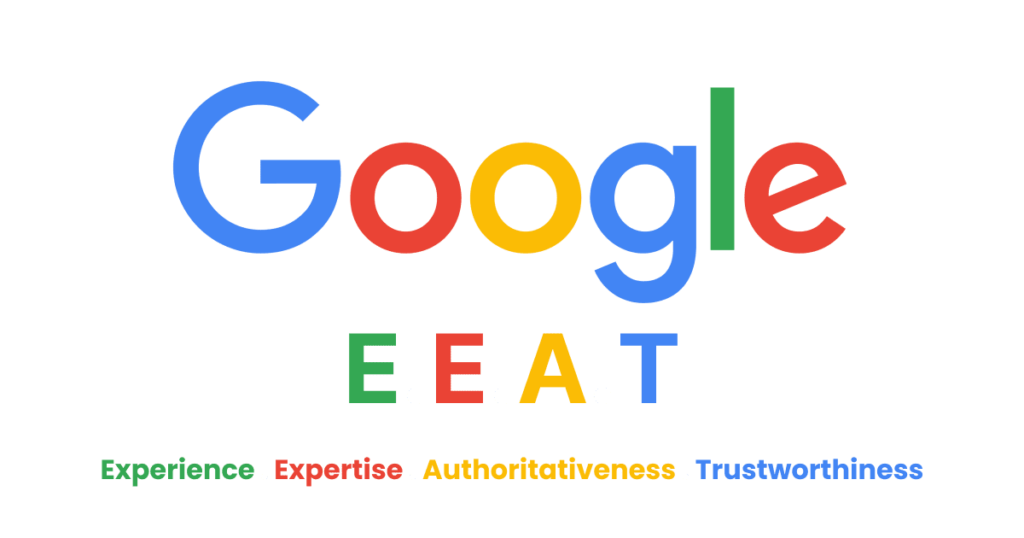
Leveraging E-E-A-T: Why OSHA and IICRC Certifications Drive Local Rankings
Every tactic above performs better sitting on top of a foundation of genuine, clearly displayed credentials.
A dedicated certifications section, referenced by name (OSHA 29 CFR 1910.1030, IICRC S540), placed prominently rather than buried in a footer, does more than build trust with a human reader. Bio Recovery Pro’s certifications page is a good model for how this should be presented — clear, specific, and front-facing. It gives Google concrete, verifiable entities to associate with your business, the kind of hard signal YMYL content needs to be treated as trustworthy. Combined with an insurance and billing page addressing the financial anxiety behind so many searches, your site starts to look — to Google and to a stressed-out property manager at 9pm — like the obvious choice.
Bringing It All Together
SEO for biohazard cleanup companies is the sum of a fully verified Google Business Profile, a hub-and-spoke website with genuinely useful city pages backed by precise schema, content built around real emergency-intent searches, a mobile experience designed for someone in crisis, and credentials displayed prominently enough that both Google and human visitors register them immediately.
Companies like Bio Recovery Pro reflect what this looks like done well — a professional operation backed by the credibility signals, local presence, and content depth that consistently earns strong biohazard cleanup Google rankings over time.
Final Thoughts
The good news for any operator reading this: the bar in this industry is still low. Most competitors haven’t built city pages, let alone a hub-and-spoke cluster around them. Most haven’t named their certifications anywhere on their site, and most haven’t thought about what their page looks like to someone standing in a hallway with shaking hands and a weak signal. The opportunity to become the obvious, top-ranking choice in your market is still wide open — and the company that builds this foundation first tends to hold that position for a long time, because the same signals that drive rankings are the ones that build lasting trust with the people who need help most.