
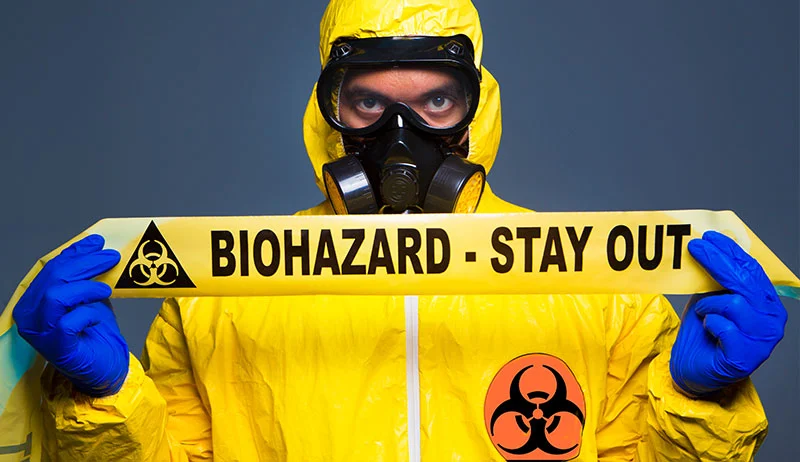
When most people think about biohazard contamination, they picture the obvious — a scene that needs to be cleaned, a smell that needs to go away, a problem that ends once the visible mess is gone. The reality is considerably more complicated and considerably more consequential than that.
The dangers of biohazard contamination extend into territory that most property owners never anticipate: airborne health risks that persist long after a scene looks clean, insurance claims that hinge on documentation most people don’t think to gather, and legal liability that can follow a property — and its owner — for years. This article walks through what’s actually at stake, from the moment contamination occurs to the long-term consequences if it isn’t handled the first time correctly.
Airborne Contamination: The Risk You Can’t See
The most immediate and least understood danger in any biohazard situation is what’s happening in the air, not just on the surfaces.
When decomposition, blood, or other biological material is present in a space, it doesn’t stay contained to where it’s visible. Bioaerosols — tiny airborne particles carrying bacteria, viruses, and other pathogens — circulate through the air and settle on surfaces throughout a room and often throughout an entire property if ventilation systems are running. This is one of the primary reasons health risks after decomposition extend well beyond the immediate area where a body was found.
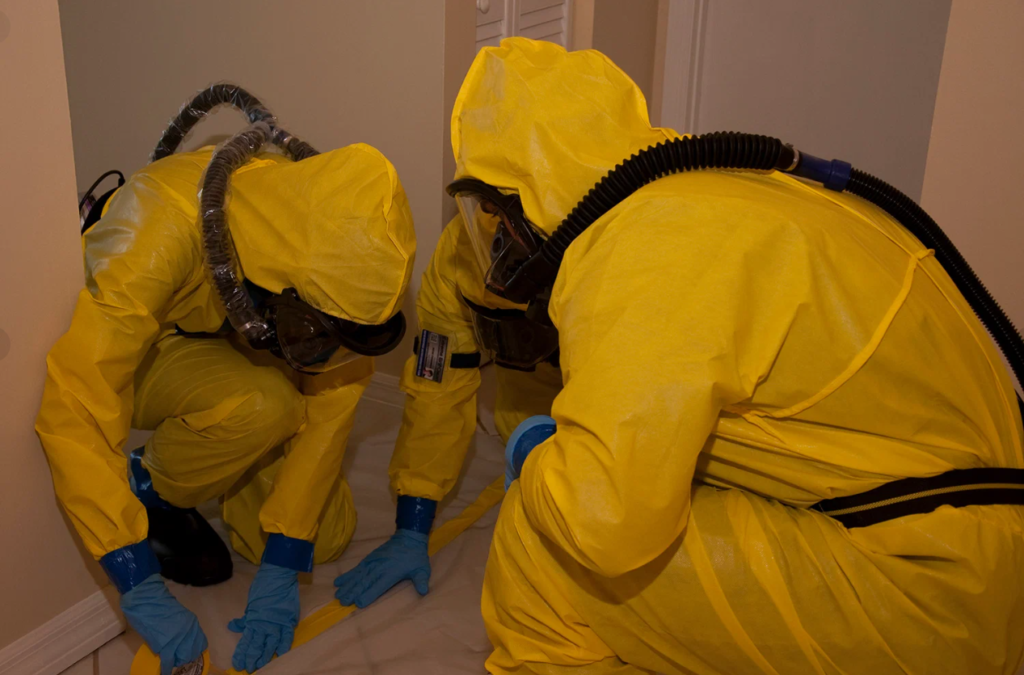
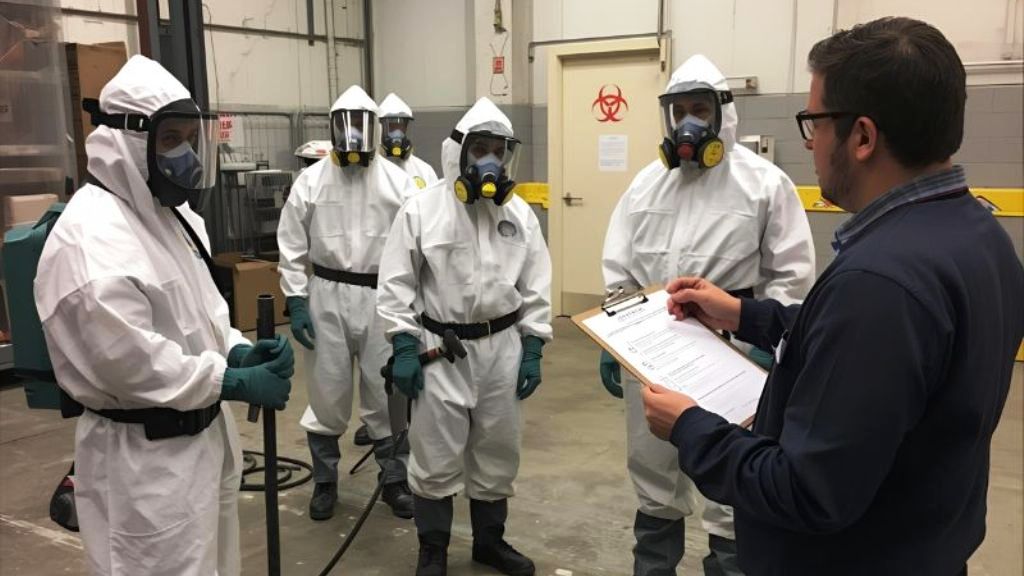
For anyone entering a contaminated space without protection, airborne exposure poses real respiratory and infection risks. This is precisely why professional biohazard remediation teams operate under negative air pressure setups, use HEPA filtration to capture airborne particles, and require full respiratory protection for technicians — protocols that exist because the air itself is part of the hazard, not just the surfaces.
For property owners, the practical implication is this: a scene that “looks” contained rarely is. Airborne contamination is one of the primary justifications insurers and remediation companies use for requiring full professional assessment rather than a simple visual inspection — and it’s a detail worth understanding before deciding how seriously to take a contamination event.
Bloodborne Pathogen Exposure: What’s Actually at Risk
Bloodborne pathogen exposure is the single most legally and medically significant risk category in any biohazard situation — and it’s governed by federal regulation for good reason.
What Counts as a Bloodborne Pathogen Risk
Under OSHA’s Bloodborne Pathogens Standard, the definition of “other potentially infectious materials” is broad — it includes blood, semen, vaginal secretions, cerebrospinal fluid, synovial fluid, and any bodily fluid where it’s difficult to distinguish between fluid types. In practical terms, this means almost any biological material present at a trauma or decomposition scene falls under this regulatory umbrella, regardless of how it appears.
The pathogens of greatest concern are hepatitis B, hepatitis C, and HIV. Hepatitis B remains a particularly significant occupational hazard — untreated exposure can lead to chronic infection, cirrhosis, and in severe cases, liver cancer. These aren’t theoretical risks confined to hospital settings; anyone who comes into contact with contaminated material at a biohazard scene faces the same exposure pathway.
Why This Matters Beyond the Cleanup Crew
For property owners, the regulatory framework around bloodborne pathogen exposure isn’t just about protecting the people doing the cleanup — it’s about establishing a legal standard for what “properly cleaned” actually means. If a property owner allows someone — a family member, a maintenance worker, a future tenant — to enter a space that hasn’t been properly decontaminated, and that person is exposed to bloodborne pathogens, the property owner may bear liability for that exposure.
This is the foundation of why the dangers of crime scene contamination aren’t purely a health conversation — they’re a liability conversation from the moment contamination occurs.
Structural Absorption: Why Contamination Doesn’t Stay on the Surface
One of the most consequential — and most frequently underestimated — aspects of biohazard contamination is how deeply it penetrates building materials.
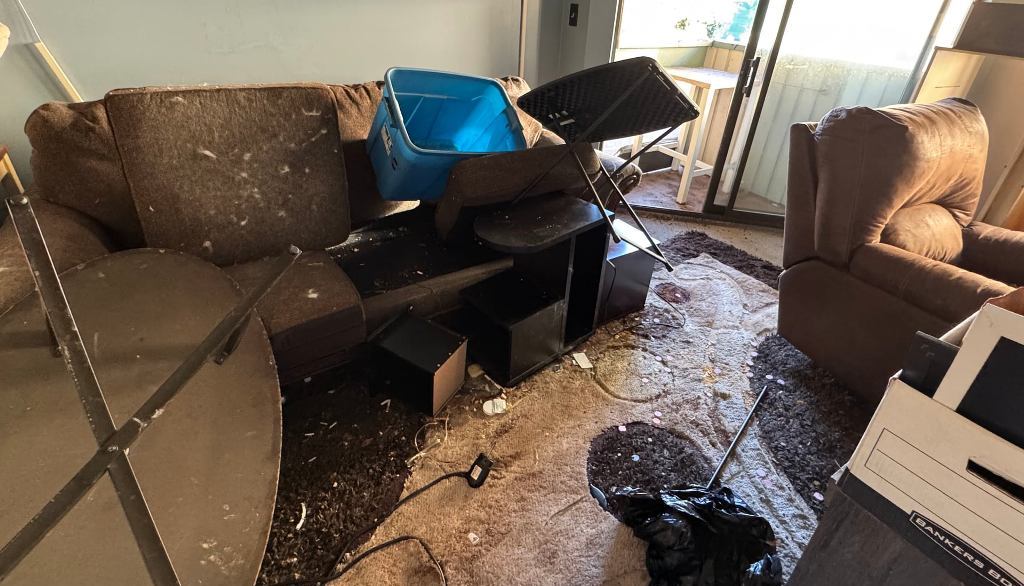
Decomposition fluids, blood, and other biological material don’t sit on top of flooring, drywall, or subflooring. They absorb into them. Porous materials act like sponges, drawing contamination downward and outward — often well beyond the visible perimeter of a scene. Carpet and carpet padding absorb fluids almost immediately. Subflooring beneath affected carpet or tile can become saturated even when the surface material shows minimal visible staining. Drywall wicks moisture and contamination upward from the baseboard, sometimes several feet, well outside the footprint of the original scene.
This absorption creates two compounding problems. First, it means visible cleanup — even thorough surface cleaning — leaves contamination behind in places it can’t reach. Second, it means the structural materials themselves become long-term reservoirs for pathogens, mold, and odor-causing compounds, continuing to pose a hazard until they’re physically removed.
For improper trauma cleanup risks, this is ground zero. A cleanup that addresses only visible surfaces — which describes the vast majority of DIY attempts and even some under-qualified cleaning services — leaves the underlying structure contaminated. The property may look clean and still pose a genuine health hazard to anyone who occupies it.
Odor Contamination: A Signal, Not Just a Nuisance
Persistent odor after a biohazard event isn’t simply unpleasant — it’s diagnostic. If a space still smells like decomposition or biological contamination after cleaning, that smell is telling you something is still there.
Decomposition releases hundreds of volatile organic compounds that bond to porous materials and continue off-gassing for extended periods if the source material hasn’t been fully removed. The persistence of odor is one of the clearest indicators that contamination remains — whether in flooring, wall cavities, HVAC systems, or furniture that wasn’t disposed of.
From an insurance and liability standpoint, odor matters more than most people realize. A property that still carries a detectable biohazard odor after “cleanup” is evidence that remediation was incomplete — and if that property is later re-leased, sold, or occupied, the persistent odor can become part of a legal claim if an occupant becomes ill or if a buyer alleges the seller failed to disclose a known issue. Odor isn’t cosmetic. It’s a marker of unresolved contamination, and it should be treated as such by anyone responsible for the property.
Secondary Contamination: When the Problem Spreads Beyond the Original Scene
Secondary contamination refers to the spread of biohazard material beyond its original location — and it’s one of the dangers of biohazard contamination that catches property owners completely off guard.
This happens in several ways. Foot traffic through a contaminated area can carry biological material on shoes into hallways, other rooms, or common areas of a building. HVAC systems, as covered extensively in discussions of decomposition odor, circulate airborne contaminants throughout a property’s ductwork, affecting rooms that had no direct connection to the original scene. Pets that have access to a contaminated area can track material throughout a home. Even well-meaning attempts to clean up — using mops, rags, or cleaning tools that are then used elsewhere in the property — can transfer contamination from the original scene to previously unaffected areas.
In multi-unit properties, secondary contamination raises the stakes considerably. A biohazard event in one unit that isn’t properly contained and remediated can create liability exposure across an entire building — shared ventilation, shared hallways, shared plumbing systems all create pathways for contamination to spread. Property managers and landlords dealing with a biohazard event need to think beyond the unit where the event occurred and consider the building as a connected system.
Long-Term Property Damage: The Cost of Delayed or Incomplete Remediation
The financial consequences of biohazard contamination compound over time if remediation is delayed, incomplete, or improperly documented — and this is where the insurance and legal dimensions of this topic become most concrete.
Structural Deterioration
Beyond the immediate biohazard concern, contamination that’s allowed to remain in building materials accelerates structural deterioration. Saturated subflooring can warp, rot, or develop mold colonies that spread into adjacent structural elements. Drywall that has absorbed contamination loses structural integrity over time and often needs to be replaced rather than cleaned. The longer contamination remains in place, the more extensive — and expensive — the eventual remediation and repair become.
The Insurance Dimension
How a biohazard event is classified by an insurance adjuster significantly affects what’s covered. Most homeowners’ policies will cover cleanup and decontamination resulting from a covered event — an accidental death, a crime such as assault or break-in, or another sudden incident. However, coverage often depends heavily on policy language, and incidents resulting from long-term neglect or certain categories of death may fall outside standard coverage entirely.
What insurers consistently require for a successful claim includes:
- A police report or coroner’s report documenting the incident
- Before-and-after photo documentation of the affected areas
- Itemized invoices from a licensed remediation company
- A certificate of decontamination upon completion of the work
That certificate of decontamination is worth dwelling on because it functions as more than a receipt — it’s effectively a legal shield. It demonstrates that the property was returned to a safe, habitable standard by a qualified professional, which protects the property owner if questions arise later about the condition of the property, whether from a future tenant, a buyer, or a regulatory body.
The Liability Dimension
This is where the dangers of crime scene contamination become a long-term legal exposure rather than a one-time cleanup decision. If a property is re-leased or sold without proper remediation, and a future occupant experiences health effects that can be traced back to incomplete biohazard cleanup, the property owner may face a liability claim — one that could have been entirely avoided with a properly documented professional remediation at the time of the original incident.
The legal obligation to provide a sanitized, habitable environment doesn’t disappear because a cleanup “looks” done. Property owners who skip professional remediation — or who hire an underqualified service without proper certification — are effectively carrying that liability indefinitely, with no documentation to demonstrate they addressed it appropriately.
Why Professional Remediation Is the Only Defensible Standard
Taking all of this together, a clear picture emerges: the dangers of biohazard contamination aren’t limited to the moment of the event. They extend into health risks for anyone who enters the space afterward, insurance claims that depend on documentation gathered correctly from the start, and legal liability that can resurface years later if remediation was incomplete.
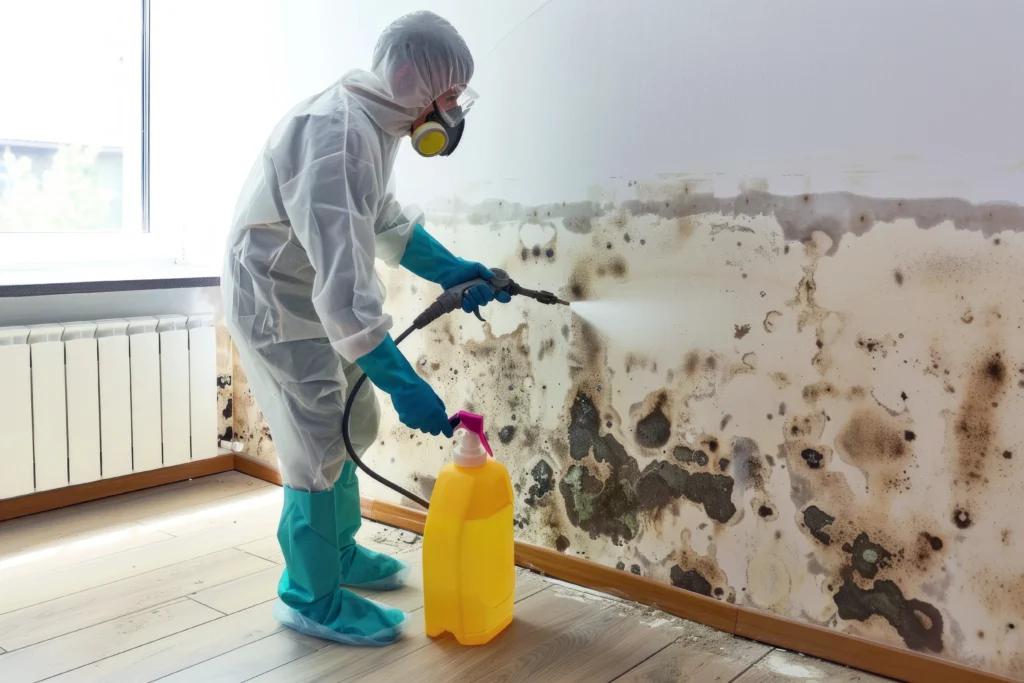
Professional biohazard remediation addresses all of these dimensions simultaneously. Certified technicians follow OSHA protocols for bloodborne pathogen exposure, ensuring the people doing the work — and anyone who enters the space afterward — aren’t put at risk. They identify and remove contaminated structural materials rather than cleaning over them, addressing the structural absorption problem at its source. They document everything — photos, invoices, and a final certificate of decontamination — which forms the backbone of a successful insurance claim and a legal record that protects the property owner going forward.
Bio Recovery Pro approaches every biohazard situation with this full picture in mind — not just cleaning a space, but addressing the health, insurance, and liability dimensions that determine whether a property is genuinely safe and properly protected going forward.
Final Thoughts
The dangers of biohazard contamination are easy to underestimate because the most serious consequences aren’t always immediately visible. A space can look clean and still carry airborne pathogens. A property can pass a casual inspection and still have contaminated subflooring. An insurance claim can be denied — or a future lawsuit can succeed — based on documentation decisions made in the first 48 hours after an incident.
Understanding these risks isn’t about creating alarm. It’s about recognizing that biohazard contamination is a health issue, an insurance issue, and a legal issue all at once — and that the only way to address all three simultaneously is through professional remediation, done correctly, documented thoroughly, and completed before the property is occupied again.

Pingback: Complete Guide to Gross Filth Remediation: The Property Nobody Else Will Touch - BioRecoveryPro
Pingback: Do You Legally Have to Tell Buyers Someone Died in Your House? - BioRecoveryPro