
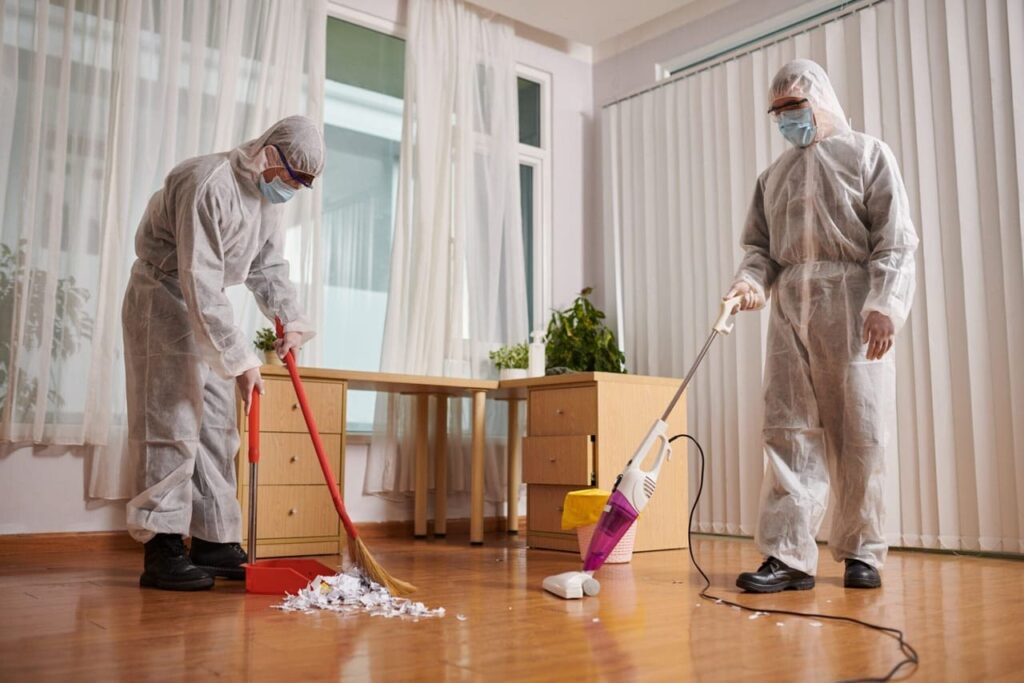
Hoarding cleanup is one of those situations where what you see on the surface rarely tells the full story. What looks like extreme clutter from the doorway often conceals years of mold growth, pest activity, structural damage, and in severe cases, serious biohazard conditions that no standard cleaning service is equipped to handle.
If you’re a family member trying to help a loved one, a property manager dealing with a vacated unit, or someone trying to understand what professional hoarding cleanup services actually involve — this guide walks through everything: the five levels of hoarding, the real health risks, what cleanup actually costs, and why the emotional dimension of this work matters just as much as the technical one.
Understanding the 5 Levels of Hoarding
Not every hoarding situation looks the same, and the level of professional intervention required varies enormously depending on severity. Mental health and cleanup professionals commonly use a five-level framework, starting with mild clutter at Level 1 and progressing to homes that are completely unusable at Level 5.
Level 1 — Mild Clutter
Living spaces are cluttered, but rooms still function as intended. There are no significant safety hazards, odors are minimal, and a general cleaning service may be sufficient. Most people at this stage don’t recognize their situation as hoarding.
Level 2 — Moderate Accumulation
Clutter becomes more noticeable and some areas begin to lose functionality. Hallways may be partially blocked, appliances may be inaccessible, and light odors or minor pest activity may be present. Professional organizers can often help here, though a thorough deep clean is warranted.
Level 3 — Significant Impairment
Clutter significantly impairs use of rooms and navigating becomes difficult. At this stage, sanitation concerns begin to emerge — overflowing garbage, visible mold, evidence of rodent activity, and compromised bathroom or kitchen use are common. Professional hoarder house cleaning services are typically needed from this level onward.
Level 4 — Very Severe
Widespread clutter is accompanied by serious sanitation or structural risks. This may include structural damage, hazardous material accumulation, no functioning utilities, and conditions that put the occupant’s health at immediate risk. Biohazard hoarding cleanup protocols apply here.
Level 5 — Extreme Conditions
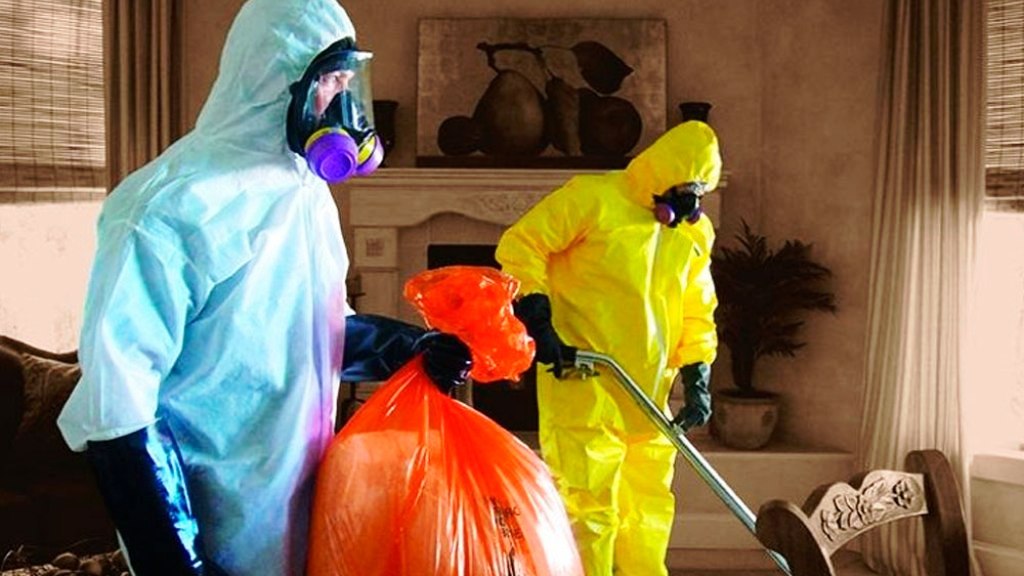
The home is overwhelmed by clutter and effectively unusable. Exits may be blocked, sewage systems may have failed, deceased animals may be present, and the structure itself may be compromised. This is the territory of specialized biohazard remediation — not standard cleanup — and requires certified professionals with full protective equipment and compliant waste disposal chains.
Biohazard Risks in Hoarding Environments
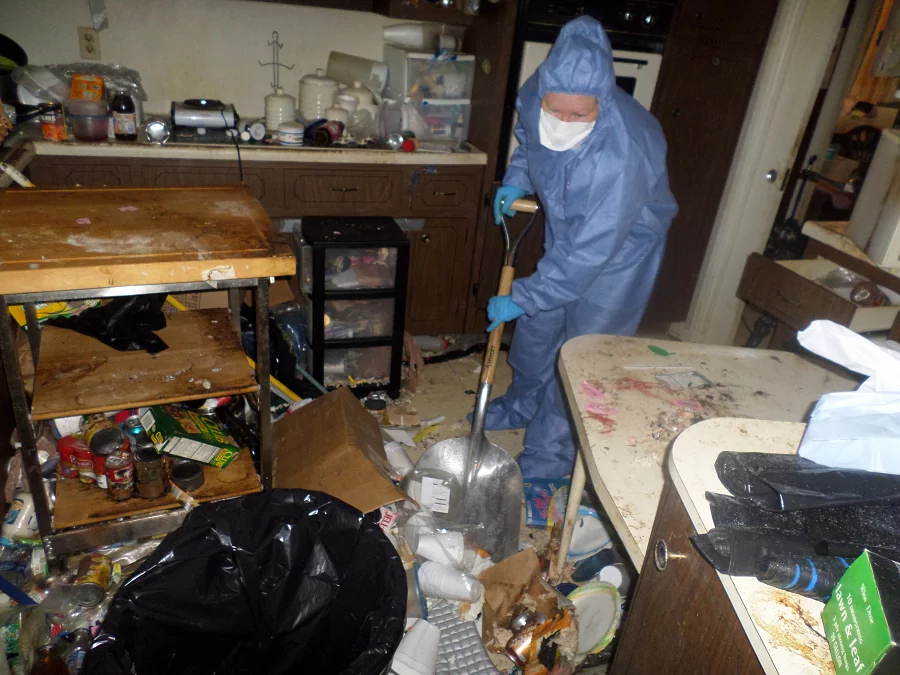
Levels 3 through 5 share something critical in common: the presence of biohazards that pose genuine health risks to anyone entering the space without proper protection. These aren’t abstract dangers — they’re the reason standard cleaning companies are not appropriate for severe hoarding cleanup.
Human and Animal Waste
Compromised plumbing, inability to access bathrooms, and the presence of animals in the home can result in human and animal waste accumulating across surfaces and soaking into flooring and walls. Pathogens present in these materials — including E. coli, Salmonella, and hepatitis viruses — can survive on surfaces long after the visible contamination is cleaned. Handling these materials without appropriate PPE creates direct exposure risk.
Decomposing Organic Matter
Biohazard teams frequently encounter deceased pets and pest infestations when cleaning extreme hoarder homes. Decomposing animals introduce the same airborne hazards and pathogen risks found in unattended death scenes — and in a heavily cluttered environment, they can go undetected for extended periods. In severe cases, cleanup teams at Bio Recovery Pro approach these scenes with full biohazard protocols, the same as any other decomposition remediation job.
Sharps and Chemical Hazards
Needles, broken glass, and expired or unknown chemicals buried in accumulated material create puncture and exposure risks that go beyond standard cleanup. Any cleanup involving bodily fluids, mold, dead animals, or sharp objects becomes a biohazard job, requiring OSHA-compliant gear and trained technicians.
Mold and Pest Contamination: The Hidden Layers
Two of the most commonly underestimated hazards in hoarding environments are mold and pest activity — both of which tend to be far more extensive than they initially appear.
Mold Growth
Years of accumulated organic material, poor ventilation, and in many cases compromised plumbing or roof integrity create ideal conditions for mold to establish and spread. Mold colonies in hoarding environments often grow behind stacked items, inside wall cavities, and beneath flooring — meaning the visible surface area affected is only a fraction of the actual contamination. Mold remediation on its own costs $15 to $30 per square foot, or $1,500 to $6,000 on average — a cost that compounds significantly when it’s part of a larger biohazard hoarding cleanup operation.
Pest Infestation
Hoarding environments often harbor multiple biohazards, including rodent droppings, insect infestations, mold colonies, and decomposing organic matter. Rodent droppings carry hantavirus and other serious pathogens. Cockroach activity can spread bacteria to every surface in an affected area. Bed bugs, fleas, and other insects may be embedded in soft furnishings and clothing throughout the home.
Pest activity rarely stays contained to the hoarding unit, either — neighboring units in apartment buildings or adjacent rooms in a house can become affected. This is another reason why professional assessment before cleanup begins matters so much. A visual walkthrough doesn’t reveal what’s living inside the walls.
Hoarding Cleanup Costs: What You’re Actually Looking At
Hoarding Cleanup Cost is one of the first questions families and property managers ask, and the honest answer is that it depends heavily on the level of hoarding and what conditions are found during the initial assessment.
On average, residential hoarding cleanup ranges from $2,500 to $25,000, encompassing both materials and labor. Factors influencing pricing include the extent of clutter and biohazard contamination, which determine the level of protective equipment required and the time needed to complete the work.
A more granular breakdown by severity level:
- Mild to moderate hoarding (Levels 1–2): Typically $1,000 to $5,000 for a standard-sized home, assuming no biohazard conditions are present
- Severe hoarding (Level 3): $5,000 to $12,000, factoring in deeper contamination, pest removal, and extended labor
- Very severe to extreme (Levels 4–5): $3,000 to $25,000 or more, depending on severity level, property size, biohazard presence, and whether services like mold remediation or structural repairs are required
- Biohazard addition: Biohazard situations can add anywhere from $5,000 to $15,000, depending on the extent of contamination
Several factors push costs upward beyond the base estimate:
- Presence of hazardous waste requiring licensed disposal
- Structural damage that requires contractor repair after biohazard work
- Size of property and number of affected rooms
- Animal hoarding situations, which introduce additional biohazard complexity
- Geographic location, which affects labor rates and disposal fees
On insurance: homeowner’s or renter’s policies may cover some cleanup costs if damage results from covered perils like water damage, but most policies exclude gradual damage or maintenance-related issues common in hoarding situations. It’s always worth filing a claim and letting an adjuster assess — coverage varies widely by policy and provider.

Cleanup Timelines: What to Realistically Expect
Levels 1–2: Days, Not Weeks
For mild to moderate situations, a professional hoarder house cleaning service can typically complete the work in one to three days. The primary task is removal of accumulated items, cleaning, and deodorization. No specialized biohazard protocols are required.
Level 3: Several Days to One Week
At this stage, the team needs time to assess hidden contamination, coordinate pest removal, and address mold if present before or during cleanup. Expect three to seven days, with follow-up treatment possible depending on what’s uncovered.
Levels 4–5: One to Three Weeks or More
Severe hoarding cleanup at this level is a multi-phase process. Biohazard remediation must be completed before standard cleanup begins. Structural assessment happens in parallel. Mold remediation may need to be completed before flooring or drywall work can begin. Biohazardous waste removal must occur before actual cleaning starts, often revealing structural damage that requires repair after biohazard material removal.
The honest expectation for Levels 4 and 5 is that the property will not be restored in a single visit, and timelines should be built around the condition of the home — not an arbitrary deadline.
Emotional Sensitivity: Why This Isn’t Just a Cleaning Job
This is the part that separates professional hoarding cleanup services from standard remediation work — and it’s the part that families most often underestimate when planning.
Hoarding disorder was officially recognized as a serious mental health condition with its inclusion in the DSM-5 in 2013. The person living in that home is not simply disorganized. They are dealing with a condition characterized by genuine psychological distress around discarding possessions — distress that doesn’t disappear because a cleanup team shows up.
Forced intervention without the individual’s involvement causes significant emotional reactions and loss of trust. Because the behavior itself hasn’t been addressed, the hoarding will typically continue and the home will fill again.
This means that cleanup teams who approach the work with sensitivity and involve the individual — rather than simply hauling everything out — produce outcomes that are more likely to hold. The best services in this space understand that:
- The person’s input on what stays and what goes matters, even at severe levels
- Moving too fast triggers anxiety that can derail progress entirely
- Judgment and criticism from cleanup staff cause lasting harm to the therapeutic relationship
- The goal is a habitable home, not a staged showroom
Bio Recovery Pro approaches every hoarding cleanup with this understanding built into the process — working at a pace that acknowledges the human reality of the situation, not just the physical scope of the job.
Mental Health Coordination: The Component That Makes Cleanup Last
Professional cleanup addresses the physical environment. It doesn’t, on its own, address the condition that created it. Without mental health support running alongside or following the cleanup, recurrence is common.
Quick cleanouts are usually ineffective and can worsen hoarding behaviors. Sustainable change requires coordinated mental health treatment, organizational coaching, and ongoing maintenance support.
What Effective Coordination Looks Like
Successful interventions coordinate multiple resources and respect the individual’s autonomy. Multi-disciplinary teamwork brings together mental health professionals, social services, medical providers, family members, and professional organizers or hoarding cleanup services.
In practical terms, this means:
- Involving a therapist before cleanup begins, particularly one familiar with hoarding disorder and Cognitive Behavioral Therapy (CBT), which has the strongest evidence base for treatment
- Coordinating with social services when the individual is elderly, disabled, or otherwise vulnerable — many communities have hoarding task forces that can provide case management
- Planning for what comes after — regular check-ins, organizational support, and ongoing therapy reduce the likelihood that the home returns to its previous condition
- Contacting the International OCD Foundation’s hoarding resources, which maintains a directory of professionals trained specifically in hoarding disorder
Hoarding is often tied to mental health conditions such as anxiety, depression, or OCD. Involving a therapist or counselor who specializes in hoarding disorder provides the emotional support that the individual needs — support that the cleanup team alone cannot offer.
For families navigating this situation, one of the most useful things you can do is make contact with a mental health professional before the cleanup conversation begins with your loved one. The order of operations matters: trust first, then cleanup, then sustained support.
Choosing the Right Hoarding Cleanup Service
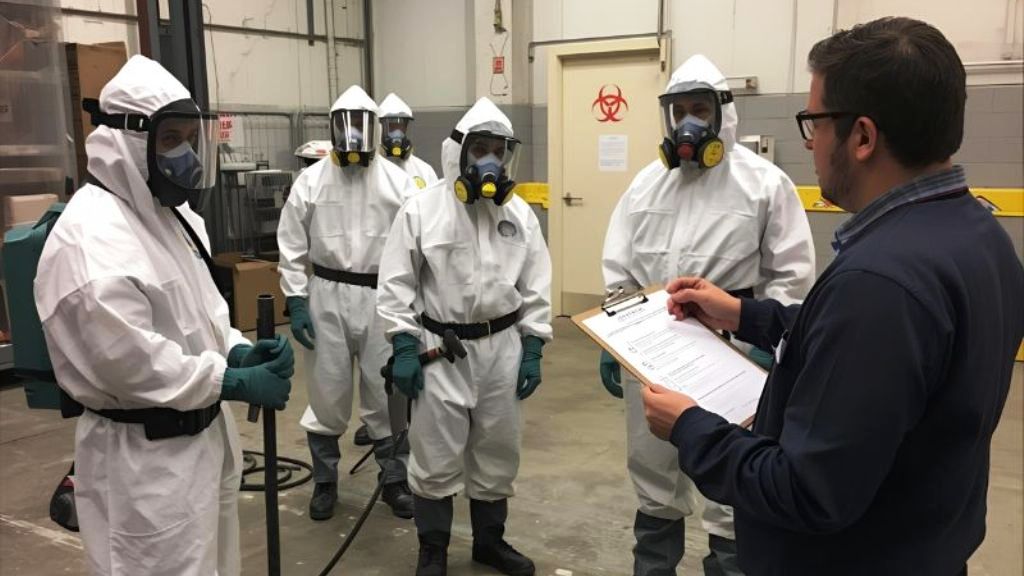
Not every biohazard company has genuine experience with hoarding situations, and the difference between a company that does and one that doesn’t shows up in the quality of outcomes — not just the cleanliness of the finished space.
When evaluating a service, look for:
- Documented experience with severe hoarding and biohazard hoarding cleanup specifically — not just general remediation
- A clear process for initial assessment before quoting, since hidden conditions can significantly affect scope
- Demonstrated sensitivity to the emotional dimension of hoarding situations
- Compliance with OSHA standards for biohazard handling and waste disposal
- Willingness to work with therapists, social workers, and family members as part of a coordinated approach
- Transparent pricing with written estimates before work begins
A company like Bio Recovery Pro brings the technical certifications, the biohazard handling protocols, and the human sensitivity that this kind of work genuinely demands. In hoarding situations, the right team makes the difference between a one-time cleanup and a lasting change in someone’s living conditions.
Final Thoughts
Hoarding cleanup is not a single service — it’s a coordinated process that involves physical remediation, biohazard management, and emotional care, often running simultaneously. The severity of the situation determines the scope, the timeline, and the cost. But across every level, one principle holds: the best outcomes happen when cleanup is approached as part of a broader support system, not as a standalone intervention.
If you’re in the middle of this situation and don’t know where to start, reach out to Bio Recovery Pro for a compassionate, professional assessment. And connect your loved one — or yourself — with a mental health professional who understands hoarding disorder. Both pieces matter.
Pingback: Complete Guide to Gross Filth Remediation: The Property Nobody Else Will Touch - BioRecoveryPro