

No landlord expects to get that phone call. But if a tenant died in your rental property — whether discovered by a neighbor, a family member, or by you — the next several days will require careful, deliberate decisions that affect your legal standing, your insurance claim, and the future habitability of your property.
The emotional weight of the situation is real, and it’s okay to feel unprepared for it. But there are steps you need to take in a specific order, and skipping or mishandling any of them can cost you significantly — financially and legally. This guide walks through all of it: who to call, what to document, how to handle the property, and why rental property trauma cleanup is never something you should attempt on your own.

Step 1: Call 911 and Step Back
If you discover or are alerted to a possible death on your property, your first call is to 911 — not to the family, not to your insurance provider, and certainly not to a cleaning company.
Law enforcement and emergency services will take control of the scene. Depending on the circumstances, a medical examiner or coroner will be dispatched to determine cause of death. Until authorities have assessed the situation and officially released the scene, no one — including you as the property owner — should enter the unit or disturb anything inside.
This isn’t just procedural caution. If the death involves any element of investigation, an unauthorized entry could compromise the case. Even a well-intentioned walkthrough to check on things puts you at legal risk.
Once you’ve made the call, wait outside or at a safe distance. Let first responders do their job. Your role at this stage is to stay available, answer questions if asked, and keep others away from the unit.
Step 2: Legal Notification and Written Documentation
After authorities have been notified, the next task as a landlord is establishing a paper trail — one that protects you and creates a clear record for everything that follows.
Who to Notify and When
- The tenant’s emergency contact or next of kin. If law enforcement hasn’t already made contact, your lease agreement should have an emergency contact on file. Reach out with care and compassion — this is a family in grief — but the contact is necessary.
- Your property management company, if applicable, should be informed immediately so they can assist with coordination.
- Your attorney, particularly if the death is under investigation or the circumstances are unclear. Tenant death landlord responsibilities vary by state, and having legal counsel early prevents costly missteps.
Obtaining Written Notice of Death
Before you can legally begin terminating the lease, removing belongings, or preparing the unit, you need a written notice of death. This typically comes from the tenant’s estate executor or a family member. Don’t begin any formal process without it — removing the tenant’s property before the estate is notified can expose you to serious legal liability.
Once you have written confirmation, document the date received, who provided it, and keep a copy on file alongside the lease agreement, correspondence, and any photos taken of the property condition.
Step 3: Securing the Property
Once authorities release the scene, one of your first priorities is securing the unit against unauthorized entry. This matters more than most landlords initially realize.
The tenant’s belongings are now the property of their estate, and you are legally responsible for keeping them safe until the executor or next of kin takes possession. This means:
- Changing the locks promptly — the tenant may have given keys to people who have no legal right to access the property at this point
- Ensuring windows and any secondary access points are secured
- Documenting the condition of the property with photographs or video immediately upon re-entry, before anything is moved or cleaned
- Keeping a witness present or recording your entry to create a clear record of the property’s state at that time
Do not remove or dispose of any of the tenant’s personal belongings. Even if items appear to be trash or of no value, the estate has the right to determine what happens to them. The timeline for the estate to claim belongings varies by state, but landlords typically must provide at least 30 days’ notice before taking any action on unclaimed property. If no executor or next of kin can be located, follow your state’s abandoned property laws exactly.
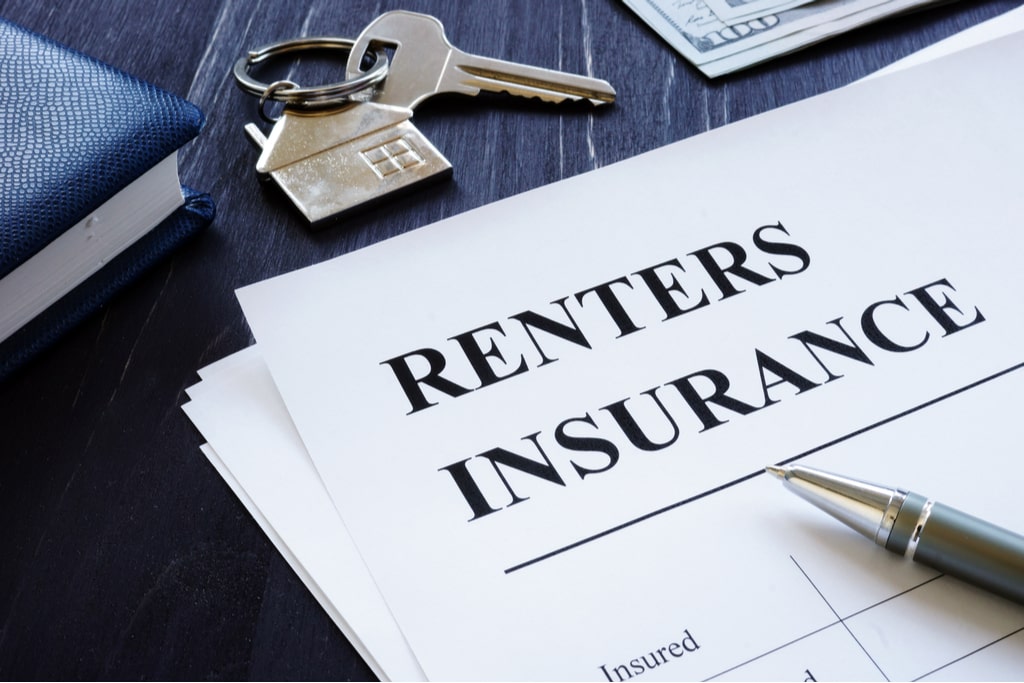
Step 4: Navigating Insurance Procedures
A tenant died in your rental property — that’s a situation your insurance carrier needs to hear about, and sooner is always better than later.
Notifying Your Insurer
Contact your property insurance provider as soon as the scene has been released by law enforcement. Explain the circumstances clearly and ask specifically about coverage for:
- Biohazard cleanup and remediation — many landlord insurance policies include this, but it’s not universal
- Loss of rental income during the period the unit is uninhabitable
- Structural damage if the death involved a prolonged undiscovered period that resulted in deterioration of floors, walls, or substructures
Get everything in writing. Keep records of every call, every email, and every document submitted to your insurer. Insurance claims related to unattended deaths can take time, and a clean paper trail speeds up the process considerably.
What Standard Policies Typically Cover — and Don’t
Most standard landlord policies cover sudden, accidental damage but may exclude gradual deterioration — which is exactly the kind of damage that occurs when a death goes undiscovered for days or weeks. If your standard policy doesn’t cover biohazard remediation, some insurers offer endorsements or riders that do. If you don’t have that coverage now, it’s worth adding before you need it again.
Step 5: Cleanup Coordination — Why This Cannot Be a DIY Job
This is the part that catches landlords off guard, especially those who manage smaller portfolios and are used to handling maintenance themselves. When a tenant died in your rental property under circumstances involving decomposition, blood, or other biological material, the cleanup that follows is classified as biohazard remediation — not standard cleaning.
Why Professional Remediation Is Non-Negotiable
Bodily fluids and decomposition matter penetrate porous surfaces rapidly. Flooring, subflooring, drywall, and baseboards can all become contaminated in ways that aren’t visible from the surface. Pathogens including hepatitis B, hepatitis C, and bacteria like Staphylococcus and Salmonella can remain active in these materials long after the visible scene has been cleared. Standard cleaning products are not EPA-registered for this purpose and will not neutralize the hazard.
Beyond the health risk, there’s a liability issue. If you re-rent a property that was not properly remediated and a future tenant becomes ill, your exposure as the property owner is significant. A documented, certified professional cleanup is the only defensible standard.
What to Look for in a Cleanup Company
Not all remediation companies are equipped for rental property trauma cleanup. When evaluating services, look for:
- OSHA compliance and documented bloodborne pathogen training for all technicians
- Use of EPA-registered disinfectants with verified disposal protocols for biohazardous waste
- Experience specifically with unattended death and decomposition scenes in residential properties
- Willingness to work directly with your insurance carrier and handle claims documentation
- Written certification upon completion confirming the property has been returned to safe, habitable condition
That final document matters. It protects you legally, satisfies insurance requirements, and gives future tenants — and yourself — confidence that the unit is genuinely clean. Bio Recovery Pro provides exactly this kind of certified, documented remediation, and works directly with insurance providers to minimize the administrative burden on landlords during an already difficult time.
Step 6: Handling the Lease and the Tenant’s Estate
A tenant’s death does not automatically terminate a lease. In most states, the lease remains in effect and responsibility passes to the deceased tenant’s estate — meaning the estate may continue to owe rent until the lease is formally ended or the unit is re-rented.
Working With the Executor
Once the estate executor has been identified, communicate professionally and with sensitivity. You’ll need to coordinate:
- A formal end date for the tenancy
- A schedule for removal of the tenant’s personal belongings
- Return of keys and any access devices
- Settlement of any outstanding rent or charges
Give the estate adequate time — typically 30 days at minimum, though this varies by state and circumstance. Rushing this process or taking unilateral action can expose you to legal claims from the estate.
If the tenant had a co-tenant or guarantor on the lease, those obligations may continue independently. A detailed breakdown of what happens to a lease after a tenant’s death — including state-specific variations — is covered in O’Flaherty Law’s guide on lease termination. Consult your attorney to understand exactly what applies in your state.
Step 7: Disclosure Requirements Before Re-Renting
This is the step that surprises many landlords — and the one with the most legal variation depending on where your property is located.
What You May Be Required to Disclose
There is no federal law requiring landlords to disclose a previous tenant’s death to prospective renters. However, state laws differ considerably:
- California requires disclosure of any death in the unit within the past three years, including the manner of death — with the exception of deaths related to HIV/AIDS. This requirement applies under California Civil Code § 1710.2 and must be made at the time an offer is received.
- Georgia requires landlords, property managers, and realtors to disclose a death if directly asked by a prospective tenant.
- Connecticut allows prospective tenants to request disclosure of certain types of deaths, though landlords are not required to volunteer it.
- Massachusetts has no disclosure requirement — the law explicitly states that whether a property is “psychologically impacted” is not relevant to a real estate transaction.
Because these rules vary so significantly from state to state, the safest approach is to consult a local real estate attorney before listing a property where a tenant death has occurred. A useful reference is RentPrep’s state-by-state death disclosure guide, which breaks down what’s required in each state. Failure to comply with your state’s disclosure laws can result in fines, early tenancy termination by a future tenant, and potential civil liability.
The Case for Transparency Even When It Isn’t Required
Even in states where disclosure is not legally mandated, many experienced landlords choose to disclose voluntarily — particularly when proper cleanup and remediation have been completed and documented. A future tenant who discovers the history independently, or who feels misled, creates far more disruption than a transparent conversation upfront. A certified remediation record from a company like Bio Recovery Pro, disclosed alongside the history, typically reassures rather than deters serious applicants.

What New Landlords Most Often Get Wrong
Even well-intentioned property owners make avoidable mistakes when facing this situation for the first time. The most common ones:
- Entering the property before law enforcement releases it, which can compromise an investigation and expose you to liability
- Removing or disposing of the tenant’s belongings before the estate has been notified or given adequate time to respond
- Attempting DIY cleanup without understanding the biohazard nature of the scene — a decision that can lead to incomplete remediation, health risk, and future legal exposure
- Delaying the insurance call — waiting costs you coverage time and can complicate claims related to loss of rental income
- Skipping legal counsel when the circumstances of the death are unclear or contested
Each of these mistakes is understandable in the fog of a stressful situation. Having a plan — or at least this guide — before you need it makes a meaningful difference.
Final Thoughts
When a tenant died in your rental property, you’re dealing with something that sits at the intersection of human grief, legal obligation, and property management — all at once. The steps outlined here aren’t bureaucratic formalities. They protect the tenant’s family, protect your legal standing, and protect the people who will eventually call that unit home again.
The most important things to remember: document everything, don’t rush the estate process, call your insurer early, and bring in certified professionals for the cleanup. Cutting corners at any stage of this process creates problems that are far more expensive and complicated than doing it right the first time.
If you need help coordinating rental property trauma cleanup or have questions about what professional remediation involves, reach out to Bio Recovery Pro — they work with landlords and property managers regularly, handle insurance coordination, and provide the certified documentation that protects you when you re-list the unit.