
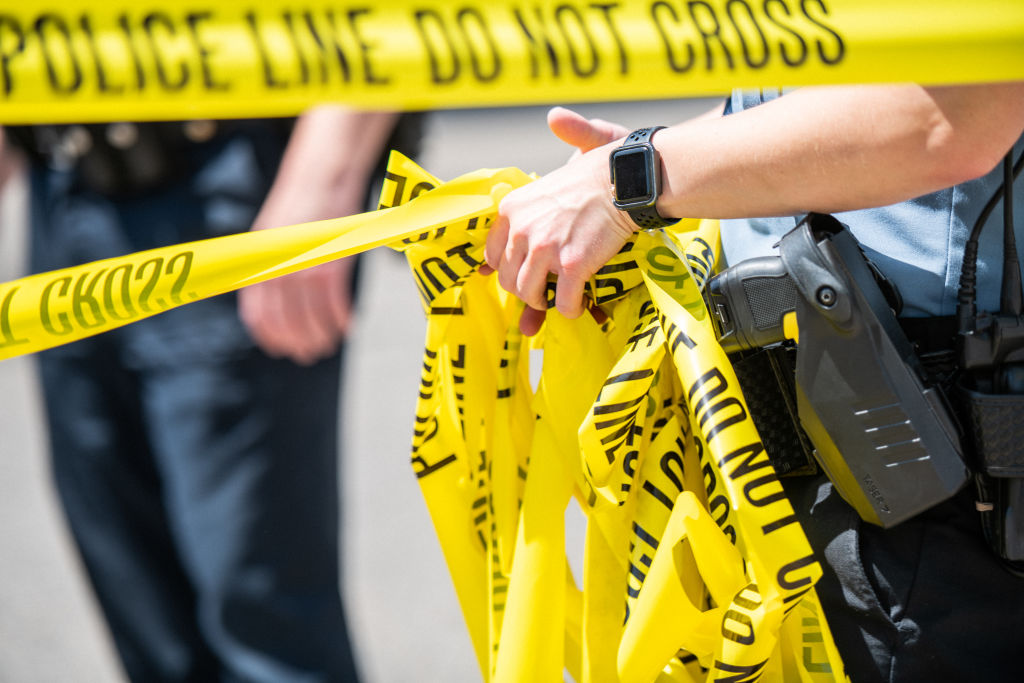
The moment the last officer leaves, and the yellow tape comes down, something shifts. The legal authority that controlled your property for the past several hours — or days — is gone. And everything that happened inside is now, practically speaking, your responsibility. No one hands you a pamphlet. No one calls to walk you through what comes next. You’re standing at the threshold of a property that may contain bloodborne pathogens, forensic chemical residue, and a level of contamination that’s genuinely dangerous to enter without proper protection.
This guide is for that exact moment.
Checklist: Before You Re-Enter the Property
Don’t go back inside until these three things are in place:
[ ] Incident Number — Have the police case or incident number in hand before law enforcement leaves the scene. This is required to open your insurance claim.
[ ] Insurance Call — Call your insurer and ask specifically to speak with a claims adjuster, not a general representative. Open a claim file before any cleanup begins.
[ ] Certification — Verify that any company you contact references the IICRC S540 Standard for Trauma and Crime Scene Cleanup by name and can explain their containment, material removal, and ATP testing protocols.
What “Releasing a Scene” Actually Means for You
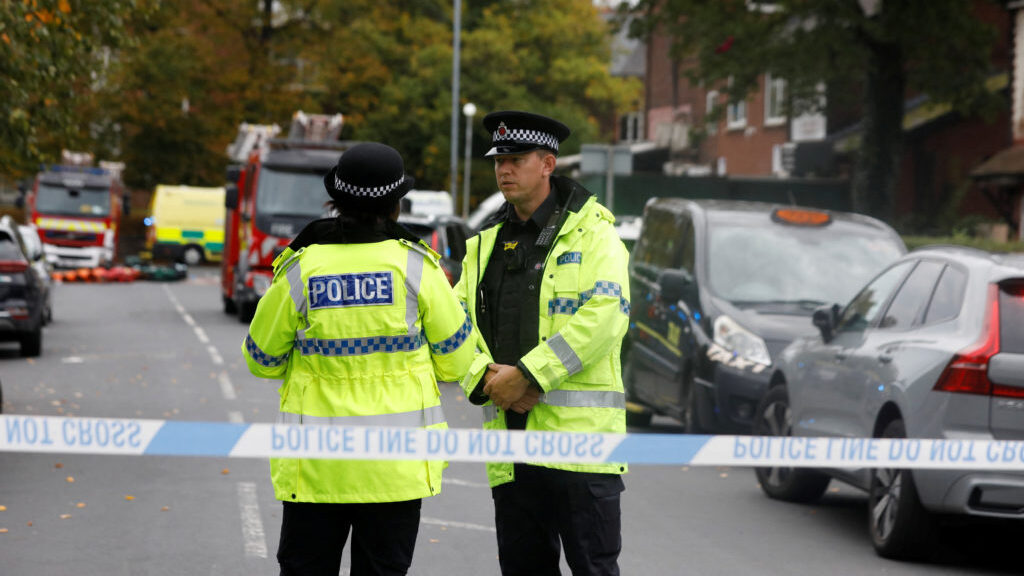
When law enforcement removes crime scene tape and formally releases a property, it means one specific thing: investigators have completed their evidentiary work and no longer need exclusive access to the space. It does not mean the property is safe. It does not mean it has been cleaned. It does not mean your insurance clock hasn’t already started.
This is the pivot point that answers who cleans up after a police investigation — and the answer is always the property owner or their insurer, never law enforcement. Police and forensic teams document and preserve evidence. Restoration of the property to a habitable condition is entirely outside their mandate. Some families discover this for the first time when they walk into a scene days after the tape is removed and find it exactly as the investigators left it: fingerprint powder on every horizontal surface, luminol residue on walls, and blood pooled and dried into the flooring.
That discovery is when the real decisions begin — and the clock is already running.
Forensic Chemical Risks: Why Fingerprint Powder Requires Professional Remediation
The instinct to start cleaning is powerful and completely understandable. It’s also genuinely dangerous without proper training and equipment.
Fingerprint powder, used extensively on door handles, furniture, windows, and countertops, is composed of carbon black, graphite, fine aluminum dust, and silica-based compounds. The OSHA Hazard Communication Standard formally classifies carbon black as a hazardous chemical with a Permissible Exposure Limit — meaning prolonged inhalation without respiratory protection creates real health risk. Fluorescent fingerprint powders add luminescent organic dyes, including rhodamine 6G, which carries its own inhalation and skin sensitization hazard data.
Luminol — used to detect trace blood invisible to the naked eye — reacts with hemoglobin to produce a blue glow under UV light. A surface that looks clean after a superficial wipe-down may still harbor biological material and active pathogens. Hepatitis B can survive on a dried surface for up to seven days. Cleaning a crime scene with household disinfectants doesn’t meet the threshold required by the OSHA Bloodborne Pathogens Standard (29 CFR 1910.1030) — it creates a false sense of safety, not an actual decontamination.
Fentanyl Contamination: A 2026 Warning
If the scene involved a suspected drug-related incident or overdose, there is an additional hazard most families don’t anticipate. Forensic processing of suspected overdose scenes can leave surfaces where powdered fentanyl or fentanyl-adulterated substances were present. According to DEA safety guidance, inhalation of airborne fentanyl powder is the exposure route of greatest concern — and in an enclosed space with disturbed forensic powder residue, that risk is real. Standard fingerprint powder residue can visually mask trace fentanyl particles on surfaces, making it impossible to assess contamination risk without professional testing. Only remediation teams using validated chemical neutralizers and appropriate PPE can confirm the space is free of opioid residue. Do not enter a suspected drug overdose scene without professional clearance first.
Getting the Incident Number Your Insurance Requires
Your insurer will not open a biohazard remediation claim without a police report or incident number — so this step has to happen before you call a cleanup company and before you call your adjuster.
When officers are still on-site finalizing the scene release, ask directly: “Can I get the incident report number before you leave?” The responding officer can typically provide a case or incident number on the spot, even if the full written report takes 24 to 48 hours to process.
If you miss it on-site, call the agency’s non-emergency line the same day. Provide the property address and approximate time of the original call. Most departments can locate the incident number within minutes.
Document the name and badge number of every officer you speak with — this becomes part of your claim record.
Then call your insurance company and use this script:
Trauma Claim Opening Script
“I’m calling to open a property damage claim. There has been a traumatic death or violent crime at my property at [address]. The scene has been [or: has not yet been] officially released by law enforcement, as of approximately [time] today. The police incident number is [number]. I need to arrange certified biohazard remediation before structural damage sets in. Can you open a claim file, provide a claim number, and confirm what documentation your adjuster will require from the remediation company?”
Key questions before hanging up: Does my policy cover biohazard remediation for this type of event? Is there a specific dollar cap? Do I need pre-authorization before work begins? Can I choose my own contractor?
Most standard HO-3 and HO-5 homeowners’ policies cover biohazard remediation under covered peril provisions for violent crimes and third-party criminal acts. The deductible — typically $500 to $2,500 — is generally collected on-site by the remediation company before work begins.
What to Do After Police Release a Crime Scene: The Right Sequence
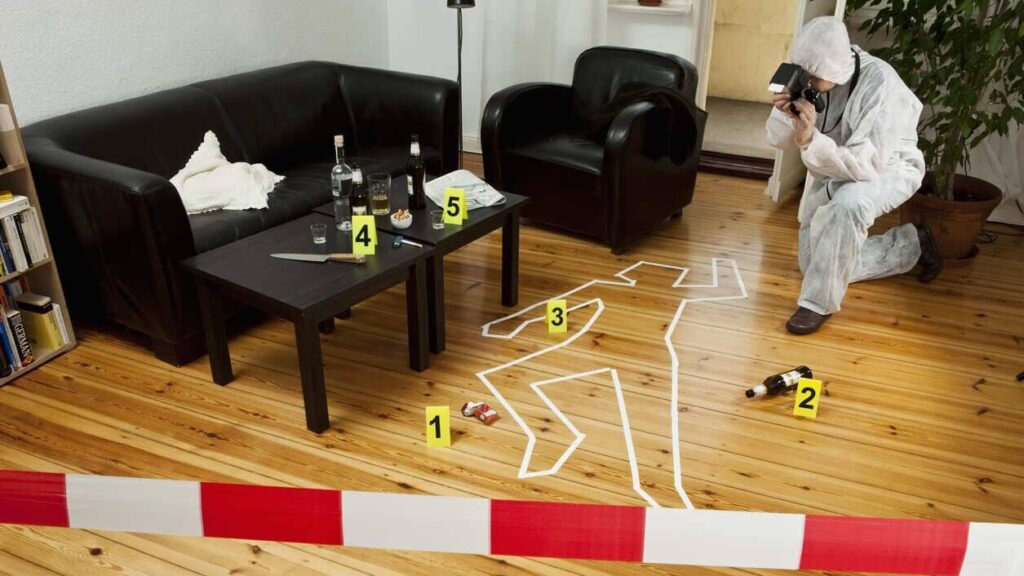
Every hour the scene sits unaddressed, contamination migrates deeper into structural materials, and remediation costs increase. A job that costs $4,000 the day the scene is released can cost $10,000 or more if it sits untouched for four or five days while families try to process what happened.
The correct sequence for crime scene tape removal situations is:
1. Do not enter the property before speaking with a professional. Not to retrieve personal items. Not to open windows. Not to assess damage. A brief entry without PPE in a heavily contaminated space can expose you to airborne biological or chemical material.
2. Get the incident number from law enforcement before they leave.
3. Call your insurer and open a claim with the incident number in hand.
4. Contact an IICRC S540-certified biohazard remediation specialist for an on-site assessment. Any legitimate company should reference the S540 Standard by name and explain their protocols for subfloor assessment, containment, and ATP bioluminescence verification.
5. Photograph everything before any work begins. A good remediation company will document the scene as standard protocol and use those photographs to generate a line-itemized Xactimate estimate coded against specific HMR (Hazardous Material Remediation) categories — the format insurance adjusters at every major carrier are trained to review. Your own independent photos provide a baseline that exists outside the contractor’s records.
6. Do not attempt DIY cleanup of fingerprint powder, luminol, or biological material. DIY attempts frequently spread contamination, void insurance coverage by eliminating the ability to document original scope, and can result in incomplete decontamination that creates ongoing health risk for future occupants.
Who Is Responsible for Crime Scene Cleanup? Understanding Your Liability
Understanding who is responsible for crime scene cleanup shapes every financial decision that follows. The property owner holds the legal liability for restoring a habitable condition. The insurance company holds the financial mechanism. The remediation company holds the expertise. Your job is to connect those three things as quickly as possible.
A professional crime scene cleanup involves full contamination mapping, negative air pressure containment, removal of porous biohazardous materials cut to at least 12 inches past the visible saturation line, EPA List N registered disinfectant treatment, and post-remediation ATP swab verification producing logged RLU readings by location — objective proof the space is biologically safe.
Realistic pricing examples for 2026:
| Scenario | Estimated Cost Range |
|---|---|
| Single-room scene, no structural penetration | $1,500 – $4,000 |
| Multi-room scene with subfloor contamination | $5,000 – $12,000 |
| Scene with HVAC contamination | $8,000 – $18,000 |
| Extended decomposition with structural removal | $10,000 – $25,000+ |
The difference between the low and high ends almost always comes down to how quickly the scene was addressed after release and whether contamination penetrated structural materials — both variables within your control from the moment the tape comes down.
How to Clear Out a House After a Crime: Documentation That Protects You Long-Term
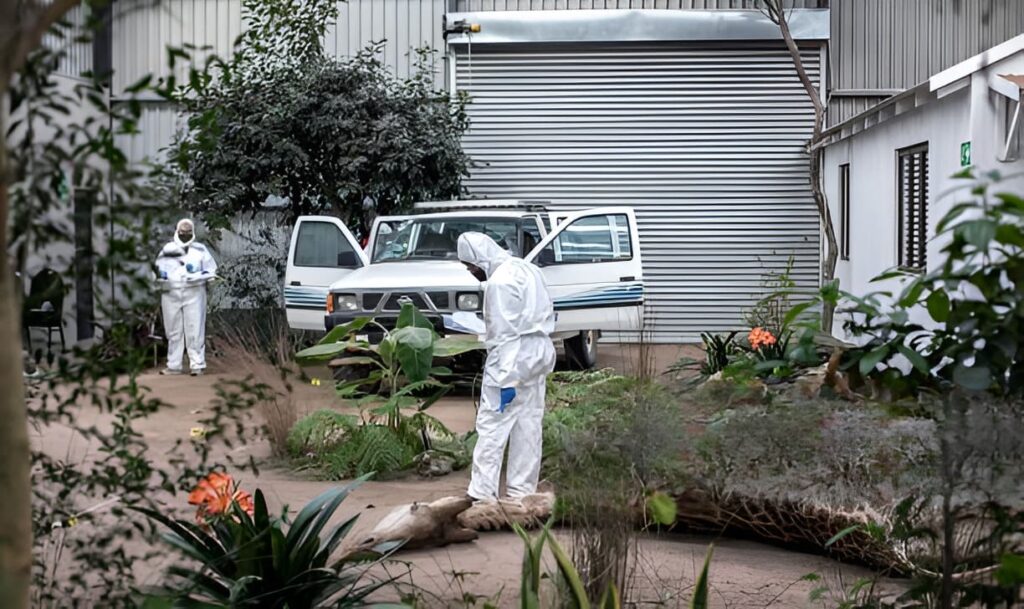
Once remediation is complete, the documentation package your contractor provides isn’t just paperwork — it’s legal protection. Request all of the following before the crew leaves: the IICRC Certificate of Decontamination, the full ATP test log with RLU readings by location, and the signed medical waste disposal manifest confirming chain-of-custody for all removed biohazardous material.
In California, Civil Code Section 1710.2 requires disclosure of any death on a property within the past three years. A decontamination certificate with supporting test data is the document that satisfies that obligation and protects you in any future habitability dispute, insurance audit, or real estate transaction.
If you need a verified, IICRC-certified specialist now, BioRecoveryPro matches property owners with credentialed remediation professionals across all 50 states — 24/7.
Final Thoughts
What to do after police release a crime scene is not something most people ever have to know — which is exactly why having the right sequence at this moment matters. Get the incident number. Call the adjuster. Call a certified specialist. Don’t enter unprepared. And don’t wait. The window between scene release and irreversible structural contamination is real, and how you use it determines both the safety of the space and the cost of restoring it.
Frequently Asked Questions
Who cleans up after police investigation? Law enforcement does not clean crime scenes. Once a scene is formally released, the responsibility for professional biohazard remediation falls entirely on the property owner or their insurer.
Does homeowners insurance cover crime scene cleanup? Yes, in most cases. Standard HO-3 and HO-5 policies cover biohazard remediation under covered peril provisions for violent crimes and third-party criminal acts. You’ll typically pay your deductible and the insurer covers the remainder.
How long after the scene is released do I have to call a cleanup company? Act within the first 24 hours if at all possible. Biological fluids penetrate subfloor and drywall rapidly. Each day of delay increases both structural damage and remediation costs significantly.
Is it safe to enter a released crime scene without protective equipment? No. Scenes may contain bloodborne pathogens, forensic chemical residue, and in drug-related cases, trace opioid contamination. Professional assessment should precede any re-entry.